

The Push: May 20th, 2026
Smarter media hubs, hash-anchored coding agents, and self-hosted WhatsApp control planes for messy real-world workflows

Streambert: Streaming Finally Got a Better Client
github.com/truelockmc/streambert | License: GPL-3.0
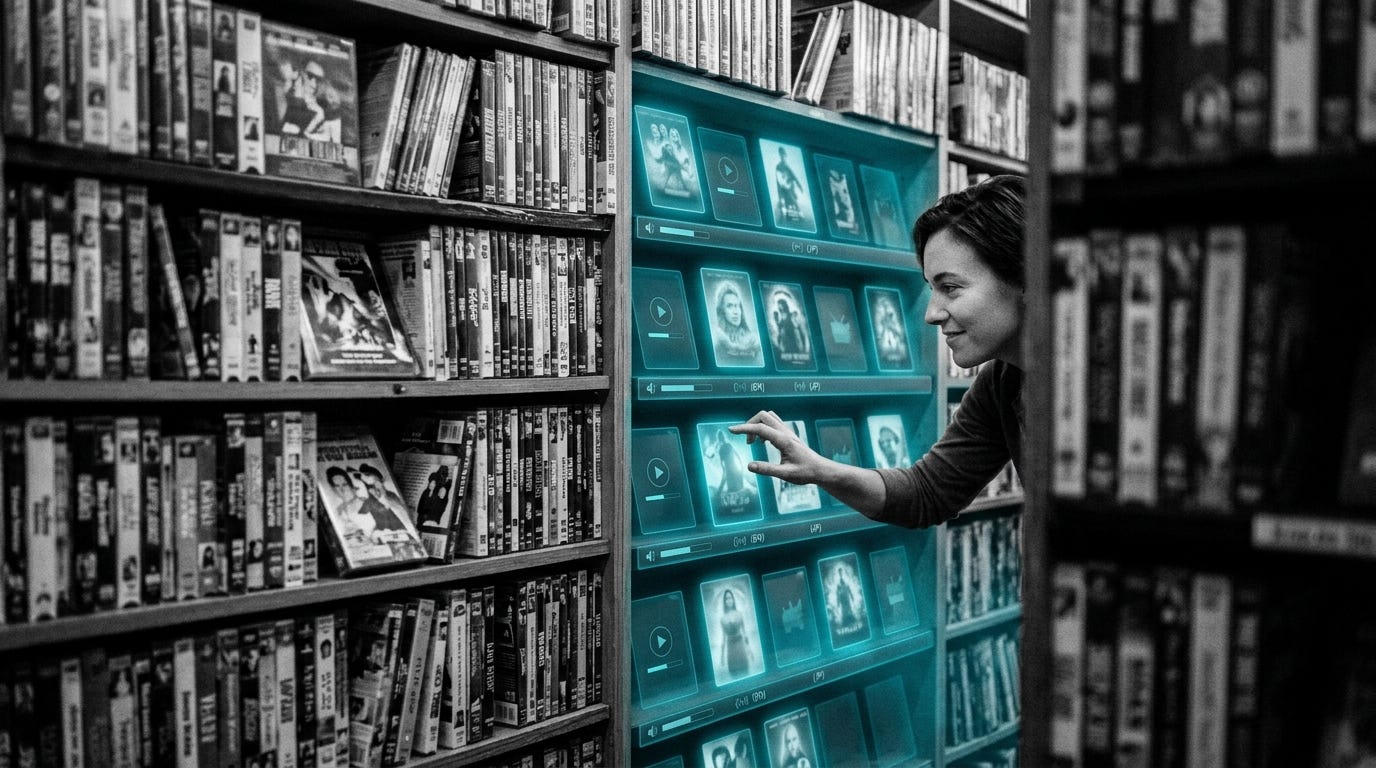
Netflix trained people to expect instant playback, clean subtitles, and a polished library. Then the rest of the internet kept serving popups, broken mirrors, and tabs that feel one click away from malware. Streambert goes straight at that mismatch. This is a desktop app for streaming and downloading movies, series, and anime with zero ads, local storage, and a UI that looks more like a real product than a sketchy workaround. Honestly, the provocation here is simple: piracy software usually wins on catalog, then loses on experience.
The Drop: The Catalog Was Never the Problem
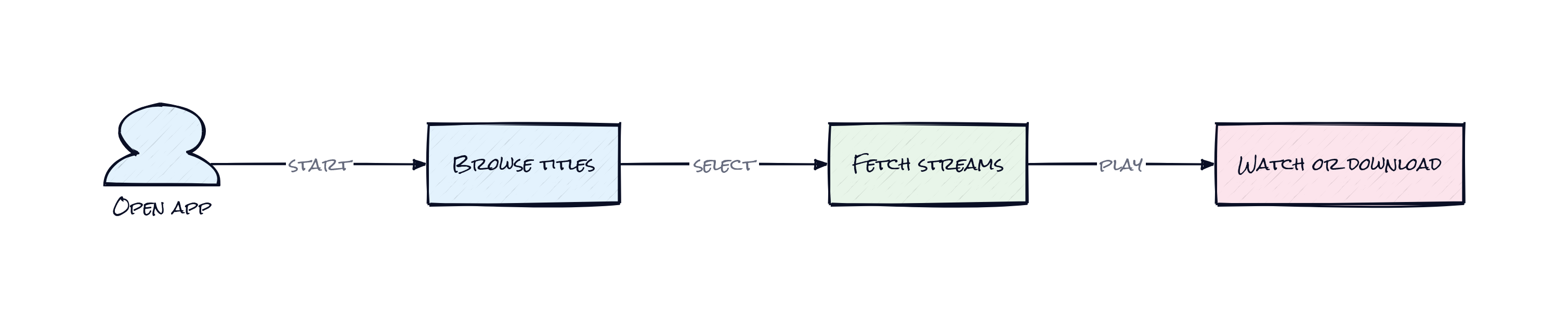
Piracy has had supply for years. The painful part is everything wrapped around it. Search results scatter across junk sites, playback gets interrupted by trackers, subtitles are inconsistent, and downloads feel like a side quest involving three browser extensions and a prayer. Even legal streaming has its own fragmentation tax, but the unofficial world adds friction on top of fragmentation.
Streambert exists because that experience is weirdly underdesigned. People already know where the content lives, broadly speaking. What they do not have is a dependable interface that pulls discovery, playback, subtitles, downloads, and watch history into one place without turning the whole session into a battle against ad tech. That gap matters more than it sounds. Once media consumption becomes a workflow problem, the winner is not the site with the biggest library, it is the product that removes the most annoying steps. Streambert reads that correctly. The interesting bet is that convenience, privacy, and polish can beat the traditional pirate stack of browser tabs plus tolerance for chaos.
The Stack: Desktop Shell, Web-Scale Supply
Under the hood, Streambert is built with Electron, React, and Vite, with JavaScript across the app. Metadata comes from TMDB and AniList, stream discovery pulls from third-party providers like VidSrc and 2Embed, and downloading relies on captured m3u8 playlists, the chunked video manifests used by many streaming systems, plus an external downloader and FFmpeg.
The Sauce: Productizing the Ugly Middle Layer
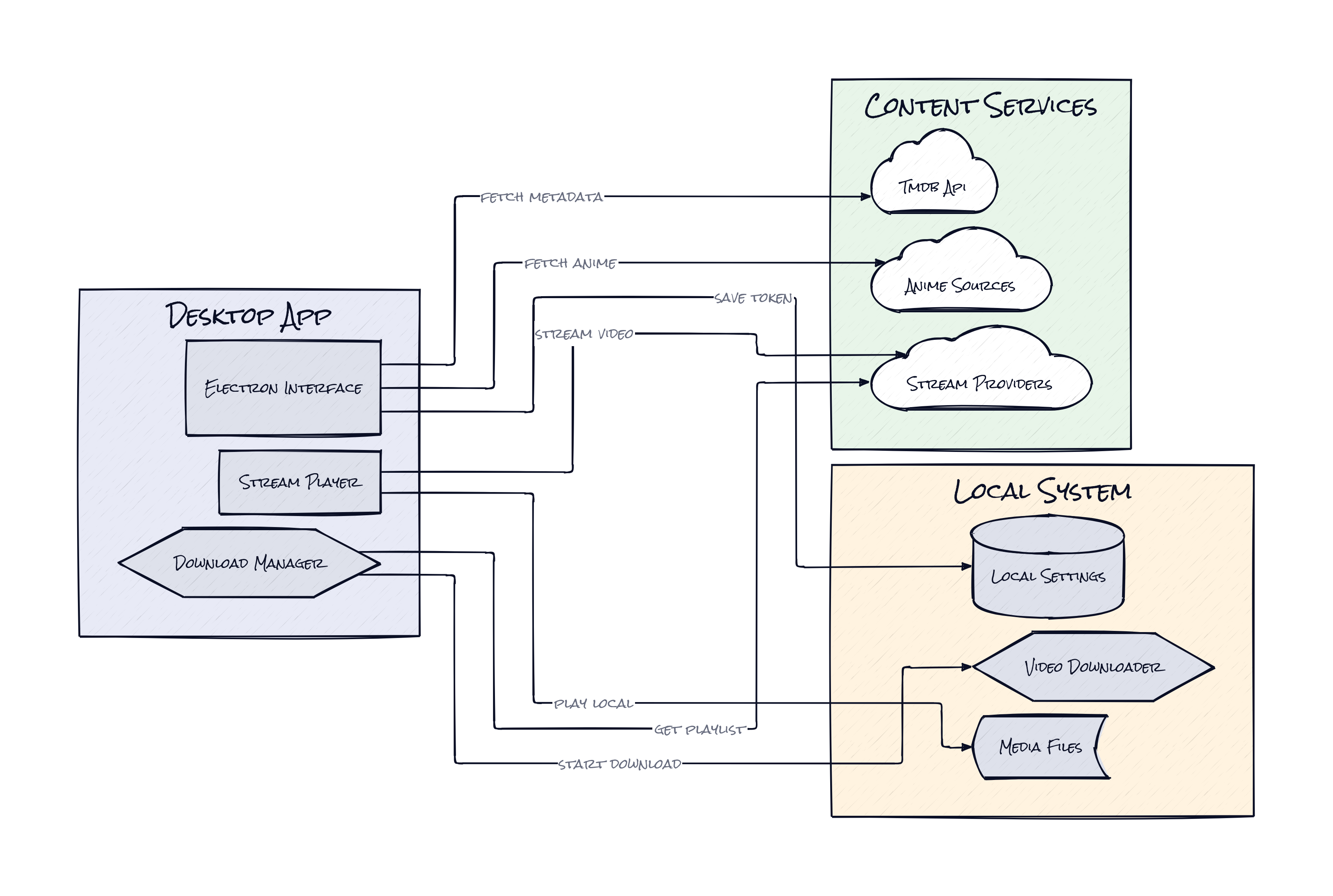
What stands out is the source abstraction. Streambert separates metadata, playback sourcing, anime-specific sourcing, subtitles, and downloads into different lanes, then stitches them together inside a native-feeling desktop app. That sounds obvious, but it solves the exact reason piracy tools usually feel brittle: they treat every provider like a one-off hack instead of a swappable backend.
Metadata comes from TMDB for general film and TV discovery, while anime can route through AniList fallback, meaning the app switches metadata providers when the content type demands better coverage. Playback sourcing is handled separately again, with stream links pulled from providers that expose playable sources. Downloads use playlist capture, where the app identifies m3u8 manifests and hands them off to a dedicated downloader so users can save full episodes or films locally. Subtitles sit in their own pipe too, rather than being an afterthought bolted onto the player.
That modular split is clever because the front end stays stable even when individual content sources get flaky. Streambert is less a media library than a routing layer with taste. Add the built-in ad and tracker blocking, local watch history, backups, and update flow, and the whole thing starts looking like a consumer app that happens to orchestrate a messy supply chain. That is the interesting part. Not the streams themselves, but the interface contract over unstable infrastructure.
The Move: Turn Fragmentation Into Retention
One obvious use is replacing the “where was that show again?” routine with a single desktop library. A better use is treating Streambert as a personal media control center. Save titles, track watch progress, queue downloads before travel, pull subtitles directly, and keep a local archive for content that tends to disappear or bounce between platforms. For anime fans especially, the mixed TMDB and AniList handling removes a lot of the metadata sloppiness that makes collections hard to manage.
Strategically, this kind of tool creates continuity. Instead of renting access from a rotating set of services, the user owns discovery context, watch state, and downloaded files. That matters for anyone doing research, curation, language learning, or just maintaining a long-tail library that mainstream platforms neglect. Streambert also hints at a broader product play: desktop clients can become the aggregation layer for messy internet categories where the raw supply already exists but the UX is still terrible. Media happens to be the clearest example.
The Aura: Convenience Rewrites the Moral Math
People rarely care about infrastructure, they care about whether something works without insult. A clean app with no trackers, no ad spam, and reliable playback changes the emotional framing of access. Suddenly the unofficial option feels less like a hack and more like software that respects time.
That shift matters beyond entertainment. Streambert reinforces a bigger expectation that users should control their interface, their history, and their files even when the underlying web is chaotic. Once that expectation sticks, the tolerance for bloated, surveilled consumer software gets weaker. Not because users become ideologues, but because friction starts to feel unnecessary.
The Play: UX Is the Wedge, Not the Content
This is not pure 0-to-1 category creation. The market already exists, and it is enormous. The opportunity is a better mousetrap in a massive gray-market TAM where incumbent products are either legally constrained, ad-saturated, or badly designed. Streambert shows early PMF signals through fast star accumulation, active issue traffic, releases, and forks, but the moat is thin on data and weaker on switching costs than on execution speed and product taste. Stickiness comes from local libraries, watch history, downloads, and habit formation around one interface.
Winners:
Moly: Faster adoption for privacy-first consumer utilities becomes more plausible when users prove they will install desktop apps to escape ad-filled web experiences.
Plex: Stronger positioning as the legitimate home-media layer compounds if more users normalize maintaining personal libraries instead of relying only on subscription catalogs.
Apple: More desktop-native media behavior reinforces the value of controlled hardware, local storage, and premium device experiences over browser-first consumption.
Losers:
Stremio add-on startups: Distribution gets harder when a polished all-in-one desktop client collapses the need for fragmented plugin ecosystems.
Crunchyroll: Pricing power erodes at the margin when anime fans can get cleaner aggregation, downloads, and metadata handling outside the official bundle.
Warner Bros. Discovery: Content windowing and service fragmentation look even more user-hostile when unofficial clients offer a simpler, unified front end.
tl;dr
Streambert turns scattered streaming sources into a polished desktop app for watching, downloading, organizing, and subtitle-managing movies, shows, and anime. What’s clever is the modular routing between metadata providers, stream sources, and download pipelines. Worth a look for anyone tracking consumer software, media aggregation, or privacy-first desktop apps.
Stars: 2,863 | Language: JavaScript
