

The Push: June 29th, 2026
Auth that grows up, transcript-first video editing, and pentesting agents that actually check the evidence


Logto: Auth Should Not Be This Painful
github.com/logto-io/logto | License: MPL-2.0

Launching a SaaS product should not require a side quest through identity standards, enterprise login edge cases, and permission models that break the second a customer asks for teams. Yet that is exactly where a lot of product velocity goes to die. A clean signup screen is easy. The mess starts when sales wants SSO, customer success wants invites, security wants MFA, and the API team wants machine access. Logto lands right in that mess, and honestly, that is why the repo matters. Auth is rarely the headline, but it quietly decides how fast everything else ships.
The Drop: Where Simple Login Turns Into Org Chart Math
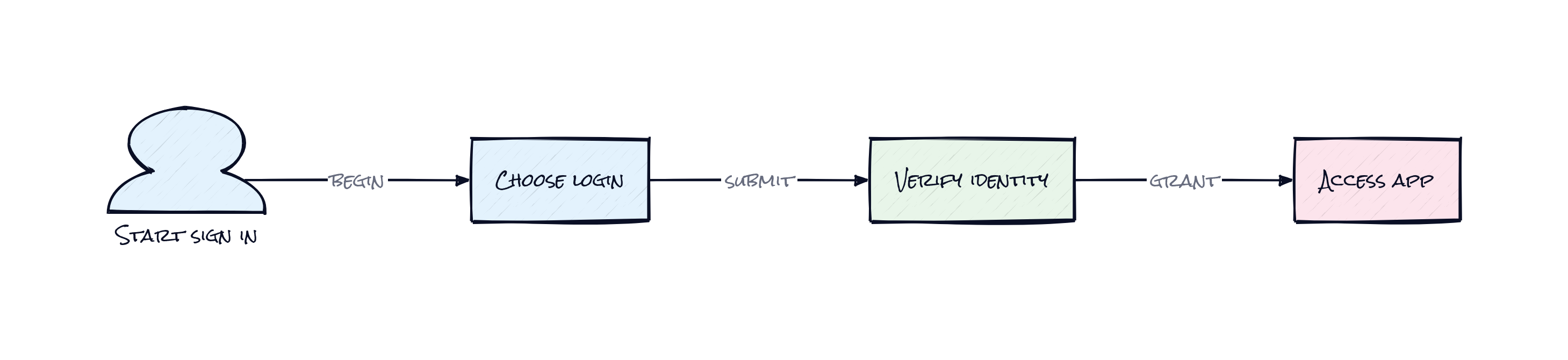
Early products can get away with “email, password, done.” Then the company sells into a bigger customer and suddenly identity stops being a feature and becomes infrastructure. One buyer needs Okta, another wants SAML, a third wants roles by organization, not globally. Meanwhile the product itself now has web, mobile, API, maybe even an internal admin tool and an AI workflow that needs machine credentials. The frustration is not just technical complexity, it is combinatorial complexity.
Logto exists because stitching together authentication and authorization usually means either buying a black box like Auth0 and living with the bill, or assembling a brittle stack of libraries, dashboards, and custom logic. Neither feels great. Open source alternatives often cover the login screen but fall apart once multi-tenancy becomes real, meaning each customer needs isolated users, policies, and enterprise identity rules. Add enterprise SSO and RBAC, where access is tied to roles instead of one-off checks, and the project starts looking less like “login” and more like account architecture. That gap, between consumer-grade auth and SaaS-grade identity, is exactly the one Logto is chasing.
The Stack: TypeScript All the Way Down
Under the hood, Logto is a TypeScript monorepo with a server core, admin console, account flows, SDKs, and deployment tooling living in one system. The stack leans on web-standard identity protocols, PostgreSQL-backed state, and a modern frontend setup, with cloud and self-hosted paths both treated as first-class instead of an afterthought.
The Sauce: Identity as a Product Surface, Not Just a Gate
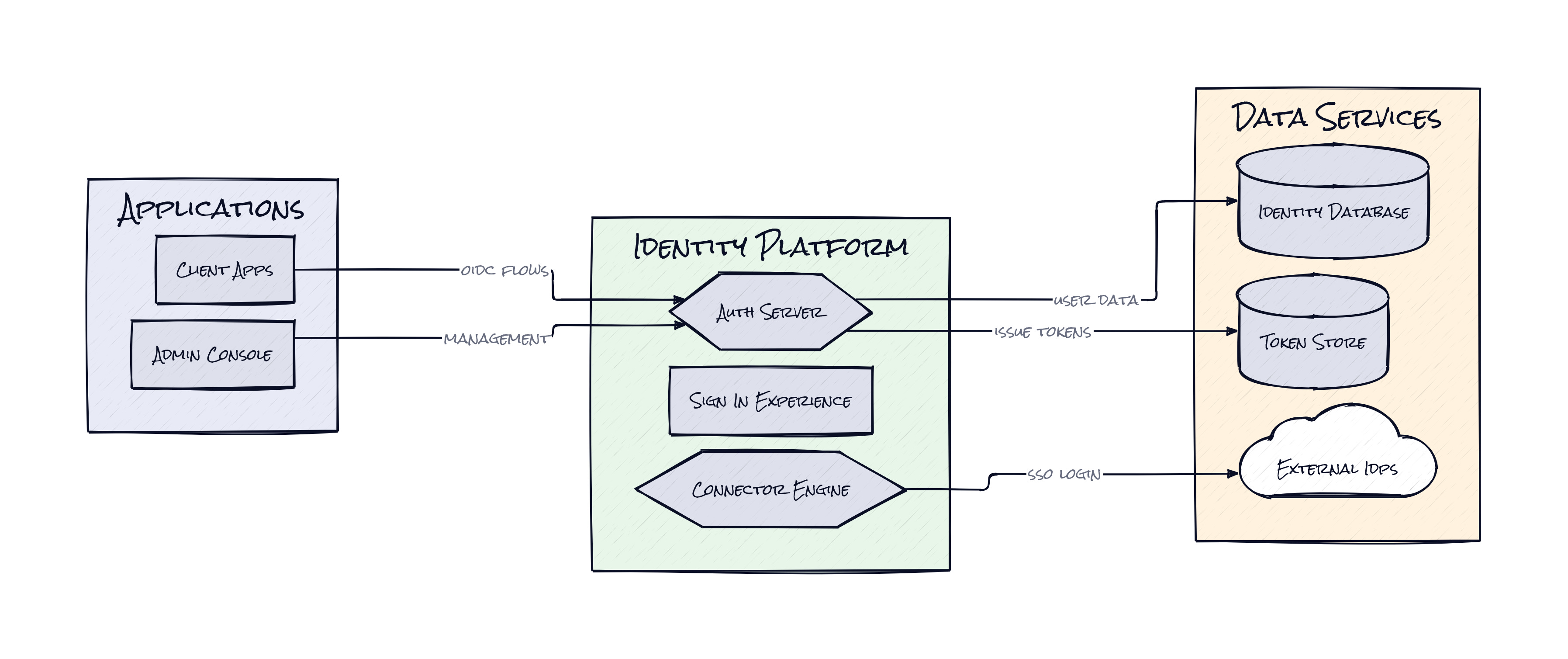
Plenty of auth tools can issue tokens. Logto gets interesting because it treats identity as a configurable product layer that spans users, organizations, apps, APIs, and machines in one model. That sounds obvious until looking at how fragmented this space usually is. One service handles social login, another does enterprise SSO, another stores org roles, another issues service credentials. Then teams spend months making those parts agree on who a user is.
Logto’s architecture seems designed around a single control plane for that mess. Organizations are not bolted on as a billing concept, they are a core boundary for membership, invitations, and permissions. Custom sign-in experience is not just a theme toggle either, it is deployable UI infrastructure, which matters because login flows increasingly carry brand, trust, and compliance weight. M2M applications, the machine-to-machine clients used by back ends and agents, sit in the same identity system as human users, which is a smart call for AI-era products where bots need scoped access just like employees do.
That unification is clever because standards alone do not solve product design. OIDC, OAuth, and SAML define how credentials move, not how tenant-aware permissions, user journeys, and admin controls fit together. Logto wraps those standards in an opinionated model that product teams can actually ship against. The interesting part is not protocol compliance, although that matters. It is the way the repo turns identity into something composable across app surfaces, instead of a pile of exceptions waiting to happen.
The Move: Ship Enterprise Readiness Before Sales Forces It
Founders usually meet identity debt at the worst possible moment, right when a promising customer asks for features that sound small and are absolutely not. Logto gives a way to front-load that maturity without committing to a giant vendor contract on day one. A team can stand up branded login, add social providers for self-serve growth, then layer in organizations, invites, and role policies before the first serious enterprise deal closes.
More importantly, Logto can become a strategic wedge for products expanding into AI and platform use cases. If an app needs both human accounts and machine access, e.g. agents calling APIs on behalf of users, keeping those access patterns in one system reduces policy drift. Product managers can define who gets access to which workspace, API, or automation path without inventing separate permission logic every quarter.
Self-hosting also changes the buying conversation. Regulated teams, startups selling into Europe, and companies tired of per-user auth pricing can use Logto as negotiating power even if they eventually choose managed infrastructure. That flexibility compounds. It shortens procurement debates, de-risks roadmap promises around SSO and MFA, and gives the product team room to treat identity as a competitive advantage instead of a tax.
The Aura: Trust Becomes Something You Can Design
Users have started to expect account systems to understand context. A freelancer should not see the same access model as an enterprise admin. An AI agent should not get the same permissions as a human operator. A company login should feel native, not like a jarring redirect into somebody else’s product. That expectation is subtle, but it changes behavior.
Logto enables a world where identity feels less like a checkpoint and more like a relationship layer between people, software, and organizations. That matters. When access control becomes legible and adaptable, teams trust products with more workflows, more data, and more automation. The human shift is simple: less hesitation, more delegation.
The Play: Open Source Identity With Enterprise Gravity
Identity is not a 0-to-1 category, obviously. Auth0, Okta, Cognito, Clerk, and Supabase already trained the market. But Logto looks like a better mousetrap in a very large TAM, with a credible wedge around open source control plus enterprise-ready SaaS features. The PMF signal is respectable: 12,500 stars, active docs, cloud offering, SDK breadth, and clear community touchpoints suggest this is not a weekend repo.
Moat is mixed. Pure protocol support is not defensible, and switching costs in auth are painful but not insurmountable. The stronger edge is execution speed around multi-tenant identity, deployment flexibility, and the habit loop that forms once product, security, and platform teams all encode policy in one place. If Logto keeps winning on developer experience and pricing, CAC can stay efficient while LTV expands with enterprise add-ons.
Winners:
Stytch: More urgency around shipping differentiated fraud, risk, and enterprise workflows compounds because baseline auth gets cheaper and more portable.
Clerk: Stronger demand from startups that want polished auth now, but an exit path from black-box vendors later, expands the market for developer-first identity.
Cloudflare: More self-hosted and hybrid identity deployments drive demand for edge security, access control, and network services that sit around the auth core.
Losers:
WorkOS: More pressure on SSO and directory-sync pricing erodes a focused wedge because adjacent identity layers are getting bundled into broader platforms.
Auth0: More buyer skepticism around seat-based and feature-gated pricing weakens expansion efficiency when open source alternatives feel enterprise-capable enough.
Amazon: Less default pull toward Cognito in startup stacks chips away at infrastructure lock-in because teams have a credible TypeScript-native option outside AWS gravity.
tl;dr
Logto turns modern authentication into a product-ready identity stack, not just a login widget. The clever part is the unified model for organizations, enterprise SSO, roles, and machine access, all wrapped in open source control. SaaS teams, AI app builders, and anyone dreading future enterprise requirements should look.
Stars: 12,502 | Language: TypeScript
