

The Push: June 11th, 2026
Encrypted backups, Mac-native Linux containers, and AI skill audits without the hand-wavy security theater

Restic: Backups That Respect Reality
github.com/restic/restic | License: BSD-2-Clause
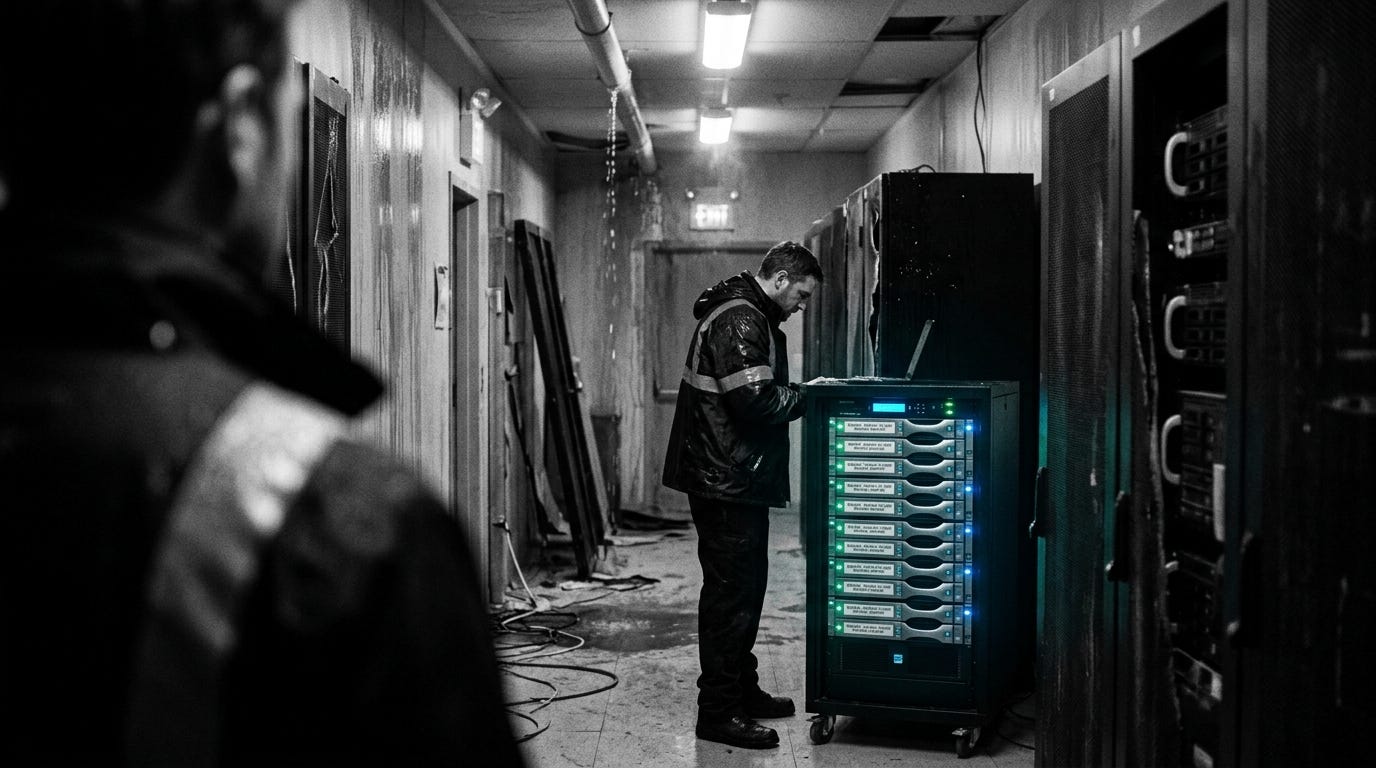
A laptop dies on Thursday. The cloud folder has half the files, the external drive is three weeks stale, and nobody remembers whether the “important stuff” lived in Downloads, Desktop, or a random project folder. Backup software usually fails long before disaster, not because storage is hard, but because the routine is annoying enough to skip. Restic lands on the opposite idea: backups should be boringly dependable, encrypted by default, and cheap enough to run constantly without turning into a storage tax.
The Drop: Backup Fatigue Is a Product Problem
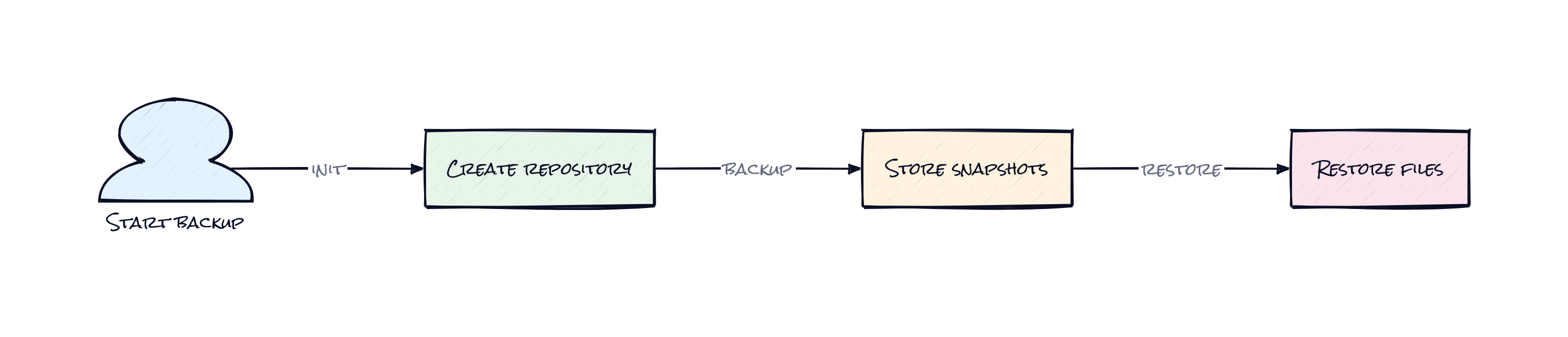
Plenty of backup tools technically work. That has never been the hard part. The actual failure mode is friction: setup is weird, restores are worse, cloud targets feel bolted on, and every additional snapshot seems to punish you with longer runtimes and bigger bills. People stop trusting the system, then stop using it.
Restic comes from that exact frustration. A modern machine scatters important state everywhere, local folders, SSDs, network drives, cloud buckets, and the backup layer has to treat all of that as normal. At the same time, the destination cannot be trusted. A rented server, an S3 bucket, or some cheap storage box should never get plain access to your files. That combination, simple routine plus hostile storage assumptions, is where a lot of legacy tools get awkward.
What makes the gap feel especially obvious is restore anxiety. Backups are easy to brag about, but recovery is the moment that matters. If checking integrity is painful, if version history is murky, if pulling back one folder requires dragging down an entire archive, the system is already compromised. Restic seems built around that unpleasant truth.
The Stack: Go, Crypto, and Storage Optionality
Under the hood, Restic is written in Go, which fits the cross-platform, single-binary ambition perfectly. The command interface uses Cobra, storage connects to local disks, SFTP, major cloud object stores, and rclone, and the data layer leans on content-defined chunking plus authenticated encryption to keep snapshots compact and verifiable.
The Sauce: Snapshots as a Content Graph
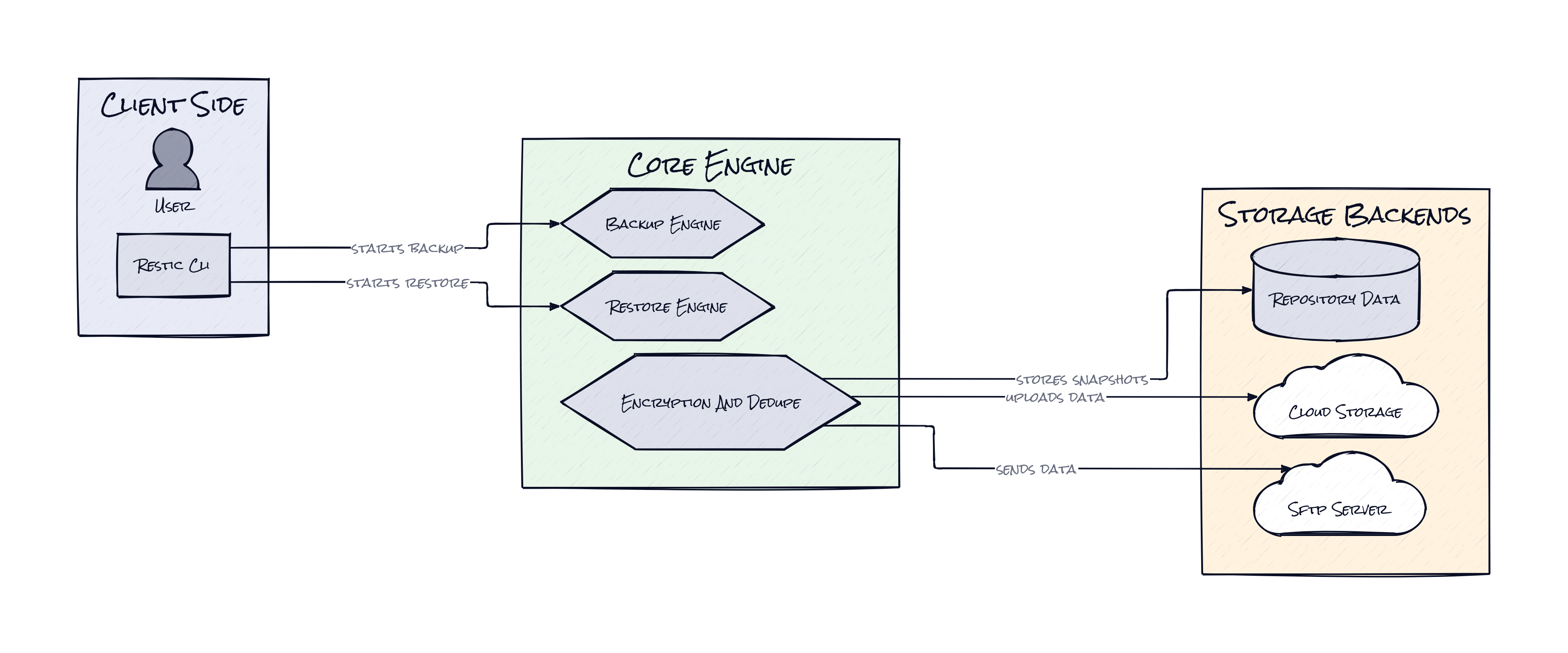
Instead of treating a backup like one giant archive file, Restic stores data as snapshots, which are point-in-time views built from many smaller encrypted chunks. That sounds straightforward, but the architecture matters a lot. Each file gets split into pieces based on content boundaries rather than fixed sizes, which means small edits do not force the whole file to be stored again. A renamed folder, a moved project, or a slightly updated database dump can still reuse huge amounts of already-backed-up data.
That design creates a quiet but powerful effect: the repository behaves more like a content graph than a pile of zip files. Snapshots reference trees, trees reference blobs, and duplicate data naturally collapses into shared encrypted objects. Storage usage stays sane, network transfer drops, and frequent backups stop feeling expensive. Honestly, that is the interesting part, not the command line polish.
Security is also embedded in the repository model, not slapped on afterward. Restic assumes the backend is untrusted, so encryption and integrity checks happen before data lands anywhere else. That makes S3, Backblaze, a random SSH box, or local disk all feel like interchangeable commodity storage. Pair that with verification and partial restore behavior, and the result is unusually pragmatic: fast enough for daily use, strict enough for disaster recovery, and portable enough to avoid getting trapped inside a vendor’s backup appliance logic.
The Move: Turn Cheap Storage Into Insurance
Founders, indie operators, and small teams can put Restic to work immediately by treating backup as a workflow, not a one-off task. Point production documents, design exports, local project folders, database dumps, and server volumes into one encrypted repository, then push that repository to low-cost object storage. Backblaze B2 or S3 become insurance infrastructure instead of passive file buckets.
That matters strategically because resilience compounds. A team with reliable snapshots can move faster on migrations, device upgrades, security cleanup, and vendor switches. Deleting a bad file, rolling back a broken asset pipeline, or recovering a contractor laptop stops being a mini-crisis. Restic also fits especially well for people who hate platform lock-in. Since the backup format is portable and the storage target is swappable, the stack stays under your control.
Another smart use case: pair Restic with scheduled exports from tools that do not really want to be exported, e.g. internal docs, CMS assets, analytics dumps, or app databases. The advantage is not just disaster recovery. It is negotiating power. When data can leave cleanly and recover cleanly, every SaaS contract looks a little less intimidating.
The Aura: Trust Becomes a Default Setting
People behave differently when recovery feels certain. They clean up machines less fearfully, upgrade hardware faster, and experiment more because mistakes stop carrying permanent consequences. That emotional shift is easy to underrate, but it changes how work gets done.
Restic also normalizes a sharper expectation: storage providers should store, not own trust. Encryption, verification, and portability move confidence back to the user. In a tech world that keeps nudging everyone toward managed black boxes, that philosophy feels surprisingly current. Not nostalgic, not anti-cloud, just clearer about where control should live.
The Play: Commodity Storage, Premium Confidence
This is not a 0-to-1 category creation. Backup is ancient. The opportunity is a better mousetrap in a very large TAM, because backup spend spans consumers, prosumers, SMBs, and regulated enterprises, while adjacent markets like cyber recovery and data resilience keep expanding. Restic shows durable PMF signals through 34,098 stars, long project age, active documentation, broad backend support, and meaningful fork activity, all of which suggest trust, not novelty, is the product. The moat is not raw code defensibility. It is distribution through community credibility, low CAC via open source adoption, and high switching costs once backup routines become operational muscle memory.
Winners:
Corgea: Lower-cost resilience primitives become easier to bundle into security workflows, which helps a young platform compound by owning recovery readiness earlier in the stack.
Backblaze: More open backup workflows increase demand for cheap object storage, and that drives LTV without requiring the company to win the entire software layer.
Cloudflare: Encrypted, portable backup traffic strengthens the case for neutral infrastructure and object storage as trusted utilities rather than opinionated backup products.
Losers:
Turso: Pure database durability stories erode at the margin when teams can cheaply snapshot surrounding application state themselves, and adaptation is hard because the value prop is narrower.
Acronis: Premium all-in-one backup positioning gets squeezed when open tooling handles the core job well enough for a huge swath of users.
Dropbox: Consumer trust premiums weaken when “safe in the cloud” no longer implies paying for a vertically integrated file and recovery bundle.
tl;dr
Restic turns backups into encrypted, deduplicated snapshots that can live on almost any storage backend without trusting that backend. The smart part is the repository architecture, which keeps repeated backups small and restores practical. Worth a look for founders, operators, and anyone tired of paying a lock-in tax for basic resilience.
Stars: 34,098 | Language: Go
