

The Push: July 6th, 2026
A smarter bookmark vault, video that explains itself, and a menu bar for AI limits

Karakeep: Bookmarks Should Organize Themselves
github.com/karakeep-app/karakeep | License: AGPL-3.0
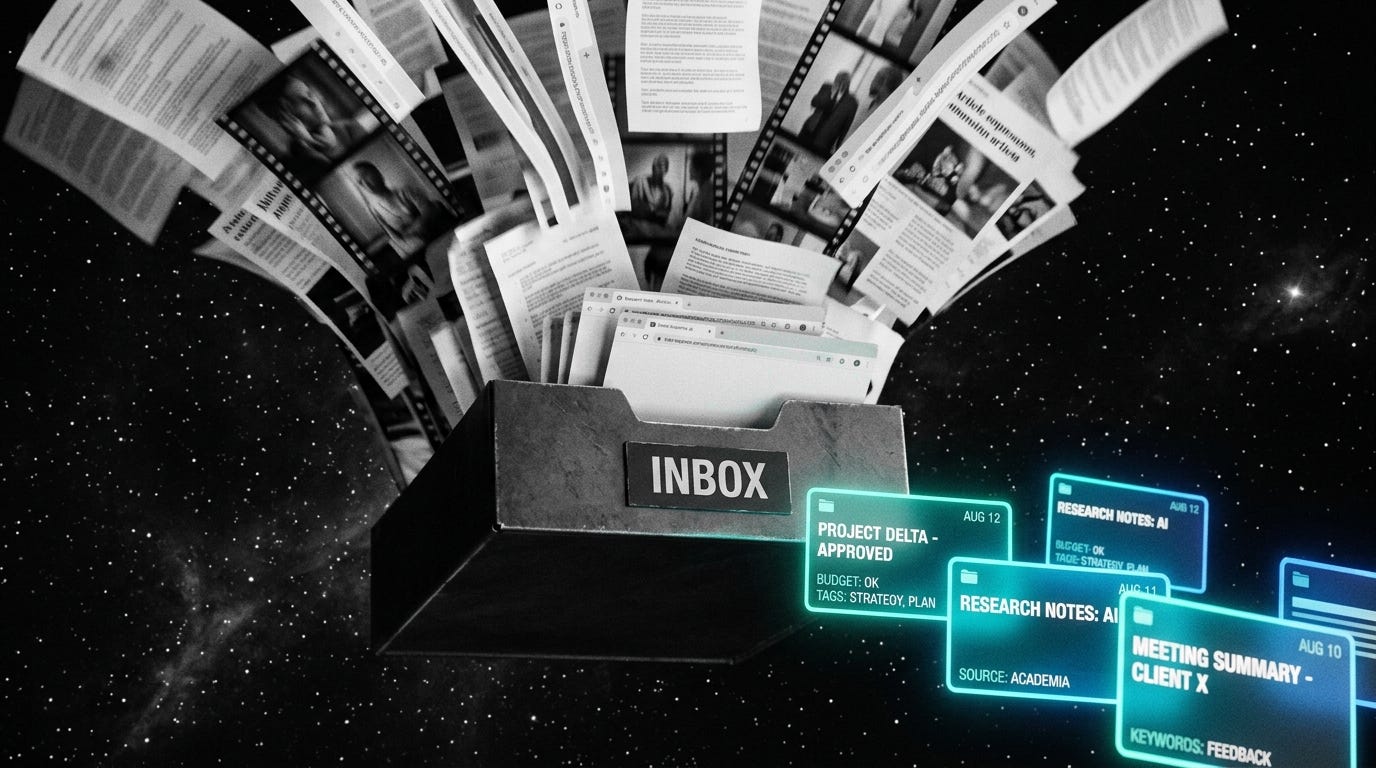
Pocket died, browser bookmarks stayed terrible, and screenshots in Slack somehow became a research system. That works right until the fifth saved thread, the third unread article, and the one PDF that mattered but vanished behind link rot. Karakeep goes after that exact mess, not by making bookmarking prettier, but by treating saved stuff like a searchable personal dataset. The pitch sounds simple, almost boring. Honestly, that is why it stands out. Personal knowledge tools usually collapse under capture friction, and Karakeep seems unusually obsessed with removing it.
The Drop: Saving Stuff Was Never the Hard Part
Plenty of apps can store links. The annoying part is what happens three weeks later, when the saved pile turns into digital attic clutter. Titles are vague, pages disappear, notes live somewhere else, images never get OCR, and browser folders become graveyards with names like “read later 2.” That gap got worse after Pocket’s shutdown because it exposed how many people were renting a basic habit instead of owning it.
Karakeep is driven by that exact frustration: modern internet consumption happens across Reddit, X, Hacker News, newsletters, PDFs, YouTube, and random tabs opened on a phone, but the tools for keeping any of it useful still feel fragmented. One app for links, another for notes, another for highlights, another for archiving. Then search fails because the system only indexed titles, not content.
Interesting angle here: Karakeep is not trying to become a second brain in the grand, philosophical sense. It is trying to become the place where internet residue gets captured cleanly enough that retrieval actually works. That is a much sharper product instinct, because messy accumulation is the default behavior. The software has to meet that behavior, not moralize about better habits.
The Stack: Full-Stack Hoarding, Tightened Up
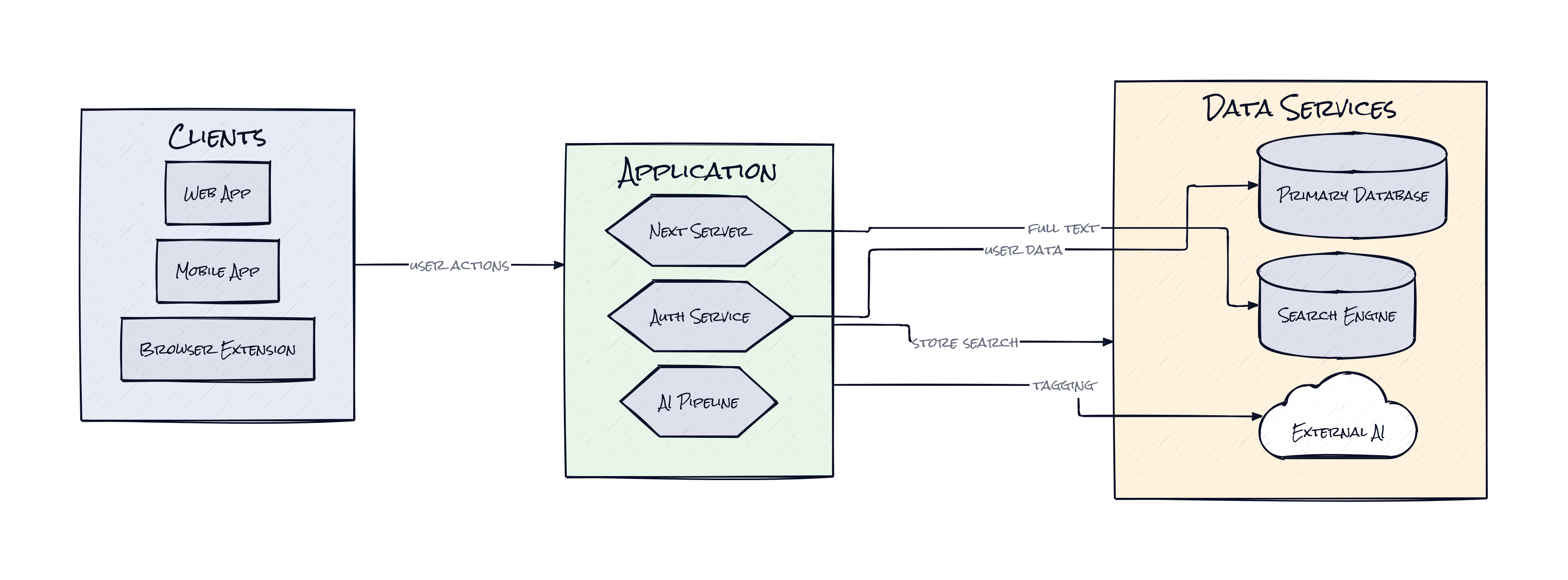
Under the hood, Karakeep runs on Next.js for the web app, tRPC for typed app communication, and Drizzle for the database layer. Meilisearch handles full-text retrieval, while Puppeteer, OCR tooling, and LLM integrations power crawling, extraction, tagging, and summaries.
The notable part is the breadth. Browser extension, mobile apps, API, workers, and search all live in one TypeScript-heavy system, which keeps the product surface consistent.
The Sauce: Search Starts Before Search
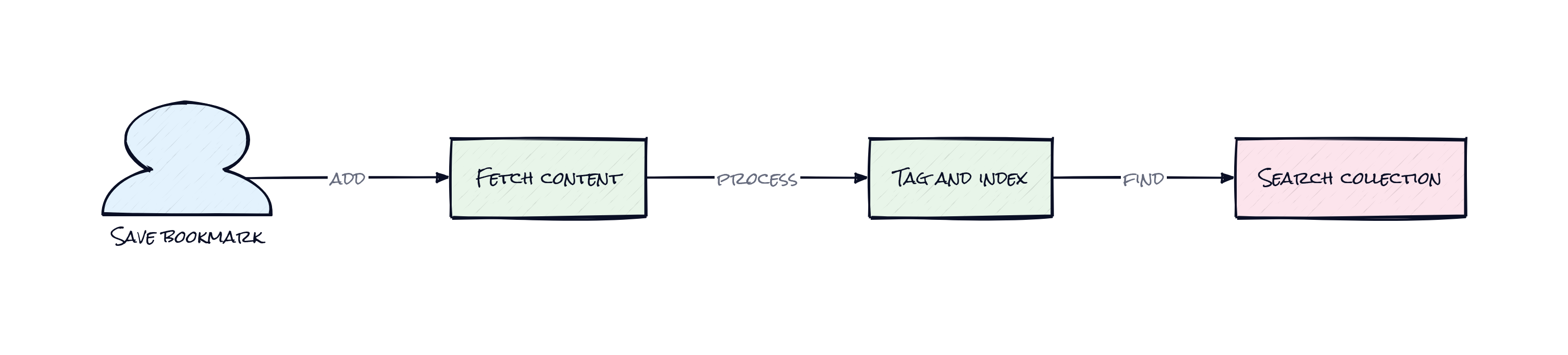
What makes Karakeep interesting is its worker-based pipeline, a background system that treats every saved item like something to enrich, not just store. A bookmark is only the trigger. After capture, separate jobs fetch metadata, archive the full page, run OCR on images, index content into search, process videos, apply rules, and optionally generate AI tags or summaries. That architecture matters because capture and enrichment have very different latency expectations.
Nobody wants to wait ten seconds to save a link while a crawler, OCR engine, and model all wake up. Karakeep avoids that by splitting the act of saving from the act of making the save valuable later. That sounds obvious, but a lot of personal knowledge tools still blur the two and end up feeling sluggish or shallow.
Another smart decision is the pluginized infrastructure layer around queues, rate limits, and search providers. That means Karakeep is not hard-coded around one operational setup. Self-hosters can run a simpler configuration, while heavier users can swap in more durable back-end pieces as the archive grows. Think of it like Notion’s polished front end sitting on top of a more modular infra core than you would expect from a “bookmark app.”
Then there is full page archival, which stores the page itself, not just the URL and preview. That changes the product from bookmark manager to personal web cache. Add OCR and automatic tagging, and retrieval stops depending on whether past you named a folder correctly. Honestly, the interesting part is not the AI. It is the pipeline discipline around preserving, extracting, and indexing messy web objects so AI has something solid to work with.
The Move: Build a Private Research Surface
Founders, PMs, designers, recruiters, students, anyone doing high-volume web research can use Karakeep as a private intelligence layer. Save articles from a browser extension, dump screenshots and PDFs from a phone, subscribe to RSS sources, import old Pocket or Chrome bookmarks, then let the system auto-tag and index everything. Suddenly the archive becomes queryable by actual content, not memory.
Teams get another angle. Shared lists turn Karakeep into a lightweight research repo for competitive intel, design references, user quotes, or technical docs. Because the content is archived and searchable, the value compounds over time instead of disappearing into Slack scrollback. That is the strategic advantage.
There is also a quiet opportunity around AI workflows. Karakeep is built to be LLM agents friendly, meaning saved material can act like a grounded corpus for assistants and automations. A founder could feed saved market research into an agent. A student could build a study archive that survives dead links. A media team could keep a searchable evidence locker of clips, pages, and notes. The point is not “bookmark better.” The point is owning the reference layer underneath future work.
The Aura: Memory Stops Being Aspirational
People already save too much. The behavioral change here is that over-saving no longer has to feel like failure. When archived pages remain readable, images become searchable, and loose links pick up tags automatically, keeping things starts to feel rational again instead of vaguely guilty.
Karakeep hints at a bigger expectation: personal archives should be active systems, not static piles. Saved material should survive broken links, answer questions later, and plug into software that can reason over it. That is a different relationship with information. Less curation theater, more accumulated context that actually pays rent.
The Play: From Bookmarking to Personal Data Infrastructure
This looks less like a 0-to-1 category and more like a very sharp wedge into a large, under-monetized TAM: personal knowledge management, read-it-later, bookmarking, lightweight research, and self-hosted productivity. The PMF signal is real, 26,000-plus stars in roughly a year is not normal for “yet another bookmark app,” especially with browser extensions, mobile clients, importers, Discord activity, and cloud hosting already in motion.
Moat is not raw code. Moat comes from workflow embedding, archived corpus depth, and switching costs once a person or team starts treating Karakeep as the canonical memory layer. CAC can stay low through open source distribution, while LTV rises if cloud, collaboration, and agent integrations become paid convenience on top of owned data.
Winners:
Recall.ai: Lower-cost personal research capture gets more useful, which compounds demand for downstream summarization and knowledge products built on user-owned archives.
Readwise: Deeper ingestion habits become stickier when users expect everything they save to become searchable, tagged, and reusable across workflows.
Dropbox: Private content stores look more valuable when metadata, OCR, and retrieval sit on top, pushing storage back into the center of knowledge workflows.
Losers:
Mymind: Premium-only bookmark intelligence gets pressured when self-hosted and open alternatives close the convenience gap fast.
Matter: Curated read-later experiences lose edge if users start prioritizing ownership, archiving, and cross-format search over polished consumption UX.
Mozilla: Post-Pocket trust erodes further when open source replacements show that this behavior never needed to be platform-rented in the first place.
tl;dr
Karakeep turns bookmarking into a searchable, archived, AI-tagged personal dataset. The clever bit is the background pipeline that enriches everything after capture, so saving stays fast while retrieval gets dramatically better. Anyone building a private research archive, solo or with a team, should look.
Stars: 26,785 | Language: TypeScript
