


Ace Step UI: Suno’s Paywall Looks Fragile
github.com/fspecii/ace-step-ui
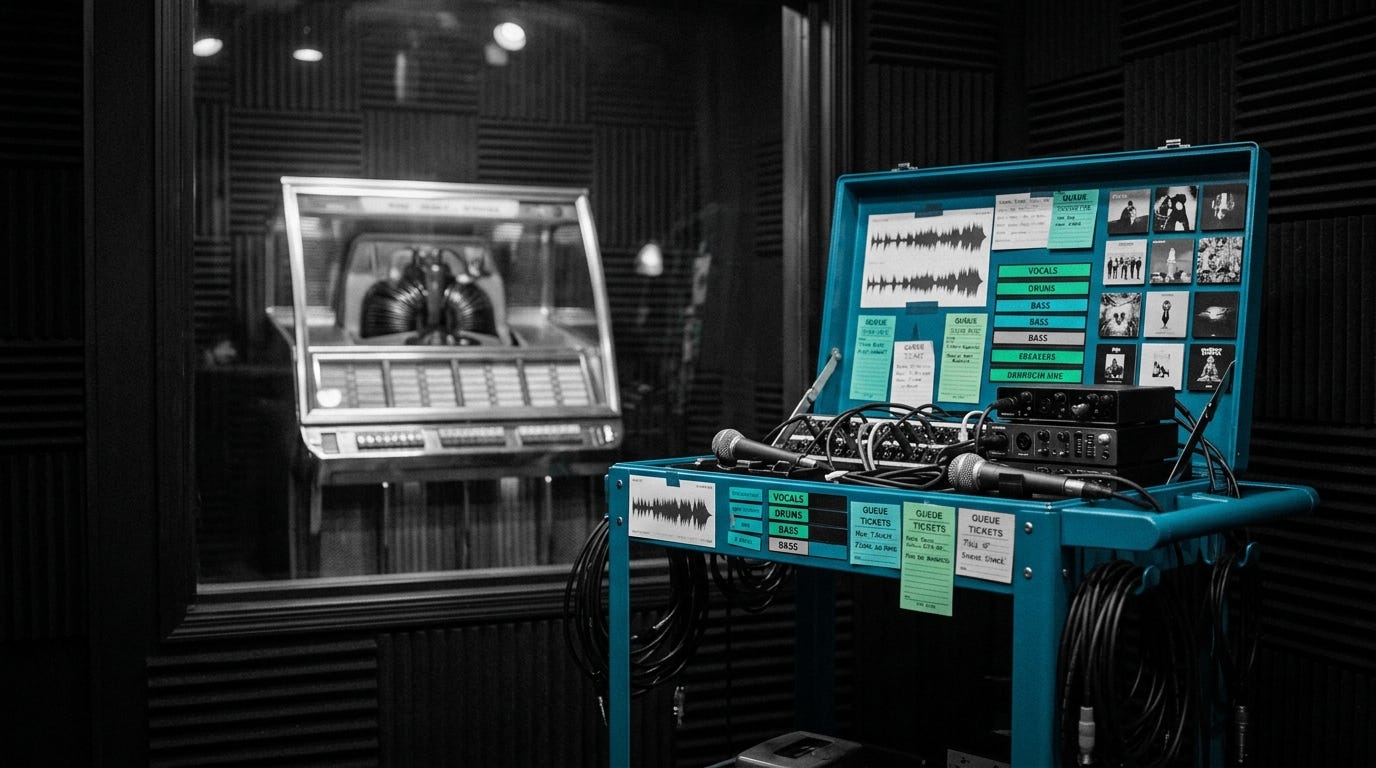
A weird thing is happening in AI music: the model is getting commoditized faster than the product. Plenty of people can tolerate rough edges in a text model. Almost nobody tolerates rough edges in a music tool. If the prompt box is clunky, the queue is opaque, and the output disappears into a folder somewhere, the whole experience feels cheap, even when the underlying generation is strong. Ace Step UI matters because it understands that for creative software, interface is not packaging. Interface is the product.
The Drop: When “Open Source” Still Feels Broken
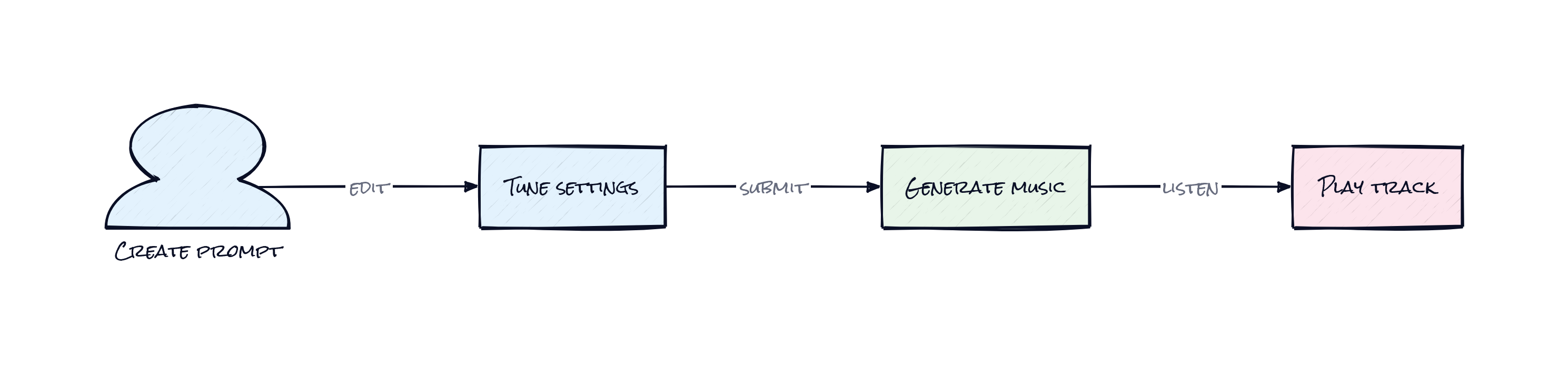
Suno and Udio trained users to expect a polished loop: type a concept, wait a bit, preview tracks, save favorites, build a library, keep going. Open source music generation had the opposite reputation. Strong model underneath, awkward Gradio API endpoints on top, manual setup, scattered files, no sense of continuity between one generation and the next. That gap is bigger than it sounds.
Creators do not just want a model. They want a workspace. Lyrics need somewhere to live. Variations need to be comparable. Good outputs need playlists, search, metadata, and quick replay. Once audio generation crosses from novelty into repeated use, the missing layer is not intelligence, it is product design. Ace Step UI exists because raw local inference is not enough to replace a subscription app. The repo takes ACE-Step 1.5, which already handles song generation, and wraps it in something that feels much closer to a real music app than a research demo. Honestly, that is the frustration being solved: open source AI music was technically available, but behaviorally unusable.
The Stack: A Music App, Not a Demo Shell
Underneath the glossy front end, the repo uses React, TypeScript, Tailwind, and Vite for the client, with Express and SQLite on the back end for local state and media management. The app connects to the ACE-Step model through a local API, then layers in FFmpeg, Demucs, and AudioMass for editing, stem separation, and post-processing.
The Sauce: Productizing Local Generation
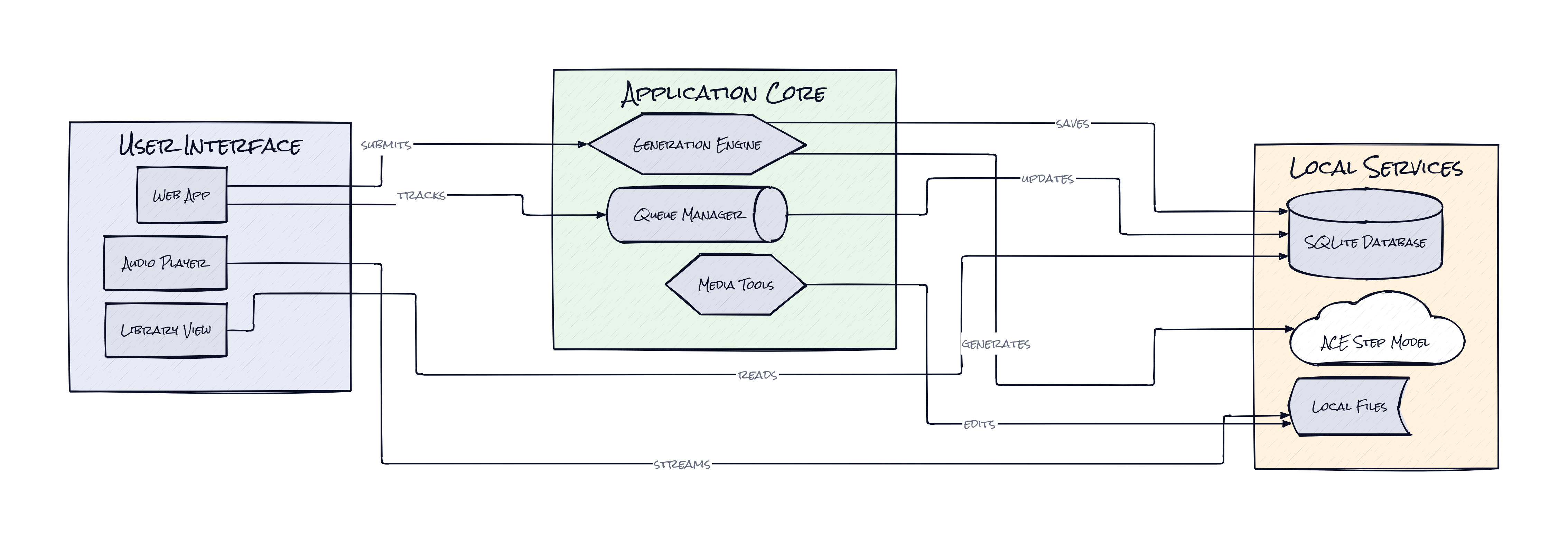
What stands out here is the decision to build a local-first music system with actual application memory, not just a generator launcher. That sounds subtle, but it changes everything. Instead of treating each song request as a disposable job, Ace Step UI stores outputs, playlists, likes, user settings, queue state, and reference assets in a persistent local environment. The result is a creative tool with continuity.
Several named features make that continuity useful. Thinking Mode adds a reasoning step for song structure and audio code generation, which seems aimed at improving coherence rather than just randomness. AI Enhance expands loose style tags into richer captions with BPM, key, and timing details, effectively turning vague prompts into production-ready instructions. Reference Audio and Audio Cover push the system beyond text-only creation into style transfer and guided transformation, which is where a lot of serious use probably starts.
Architecturally, the clever move is the way the repo combines a consumer-style media library with a queued inference pipeline. There is a GenerationQueue service on the server side, persistent storage for audio, SQLite for metadata, and a front end that behaves more like Spotify than a machine learning dashboard. Add built-in editing, Stem Extraction, and even lightweight video generation, and the repo stops being “a UI for a model.” It becomes a full local production surface. That matters because the bottleneck in AI music is not only generation quality. It is whether the user can stay in flow after the track arrives.
The Move: Turn a GPU Into a Music Product Team
Plenty of side projects die because the model works once and the workflow never sticks. Ace Step UI gives small teams, indie creators, and agencies a way to turn local music generation into a repeatable asset pipeline. A founder can prototype brand jingles without burning subscription credits. A game studio can generate stylistic variations, extract stems, and test in-context mixes without sending unreleased material to a cloud service. A creator can iterate on lyrics, organize outputs, and reuse successful prompt structures instead of starting from zero every session.
Pinokio support and one-click launch scripts matter more than they look. Setup friction kills local AI adoption, especially for creative tools. Reducing that friction means this repo can act as the front end for a private, unlimited music stack inside a team or studio. LAN access adds another layer, because one capable machine can become a shared generation hub across devices.
Strategically, the advantage is cost control plus ownership. Subscription music tools meter experimentation. Local generation flips that. Once the hardware is in place, iteration becomes cheap, private, and effectively unlimited. That changes who can afford to explore.
The Aura: Creativity Stops Asking Permission
Subscription software quietly trains people to self-censor. Fewer retries, shorter prompts, less experimentation, more second-guessing before hitting generate. A local system breaks that psychology. When the marginal cost of one more version drops toward zero, people stop managing credits and start exploring taste.
Ace Step UI points at a future where creative AI feels less like renting output from a platform and more like owning an instrument. That is a different relationship. Expectations shift from “Is this worth the credit?” to “What else can this setup do?” That mindset tends to unlock better work, and probably stranger work too.
The Play: Owning the Creative Control Layer
This looks less like a 0-to-1 model breakthrough and more like a strong wedge into the creative control layer around open music generation. TAM is broader than “AI music subscriptions,” because the relevant market includes indie musicians, content creators, game studios, agencies, and prosumer media teams that want lower CAC production workflows and higher ownership of outputs. PMF is still early, but 1,511 stars shortly after launch suggests real pull, especially for a repo that sits on top of another project rather than inventing the base model.
The moat is not raw model IP. It is execution speed, workflow depth, and switching costs created by local libraries, playlists, saved prompts, and integrated post-processing. If behavior shifts from “generate a novelty track” to “run a persistent music workspace on owned hardware,” LTV climbs fast and churn drops.
Winners:
Udio API: Faster demand for embeddable generation infrastructure compounds if more developers want branded front ends instead of consumer subscriptions.
Captions: Lower-cost soundtrack creation for ad creative increases campaign iteration volume, which strengthens performance marketing workflows.
Avid: Cheaper upstream generation feeds more downstream editing and mastering work into professional audio toolchains.
Losers:
Riffusion: Consumer differentiation erodes if local, customizable music apps start feeling good enough and adaptation is hard without a stronger workflow layer.
Splice: Subscription sample discovery gets pressured when creators can generate, edit, and separate bespoke material inside one interface.
Spotify: Catalog abundance gets even noisier as the cost of producing decent background music collapses, making discovery economics worse.
tl;dr
Ace Step UI turns an open AI music model into a real local product, complete with queueing, library management, editing, stem separation, and prompt-to-track workflow polish. The smart part is not just the interface, it is the persistent creative environment around the model. Worth watching for creators, studios, and anyone tracking local-first AI apps.
Stars: 1,512 | Language: JavaScript
