


Clean Your TV: Your Home Screen Was the Ad
github.com/Gathin23/cleanyourtv | License: Other
The Motion: TVs Should Not Fight Back
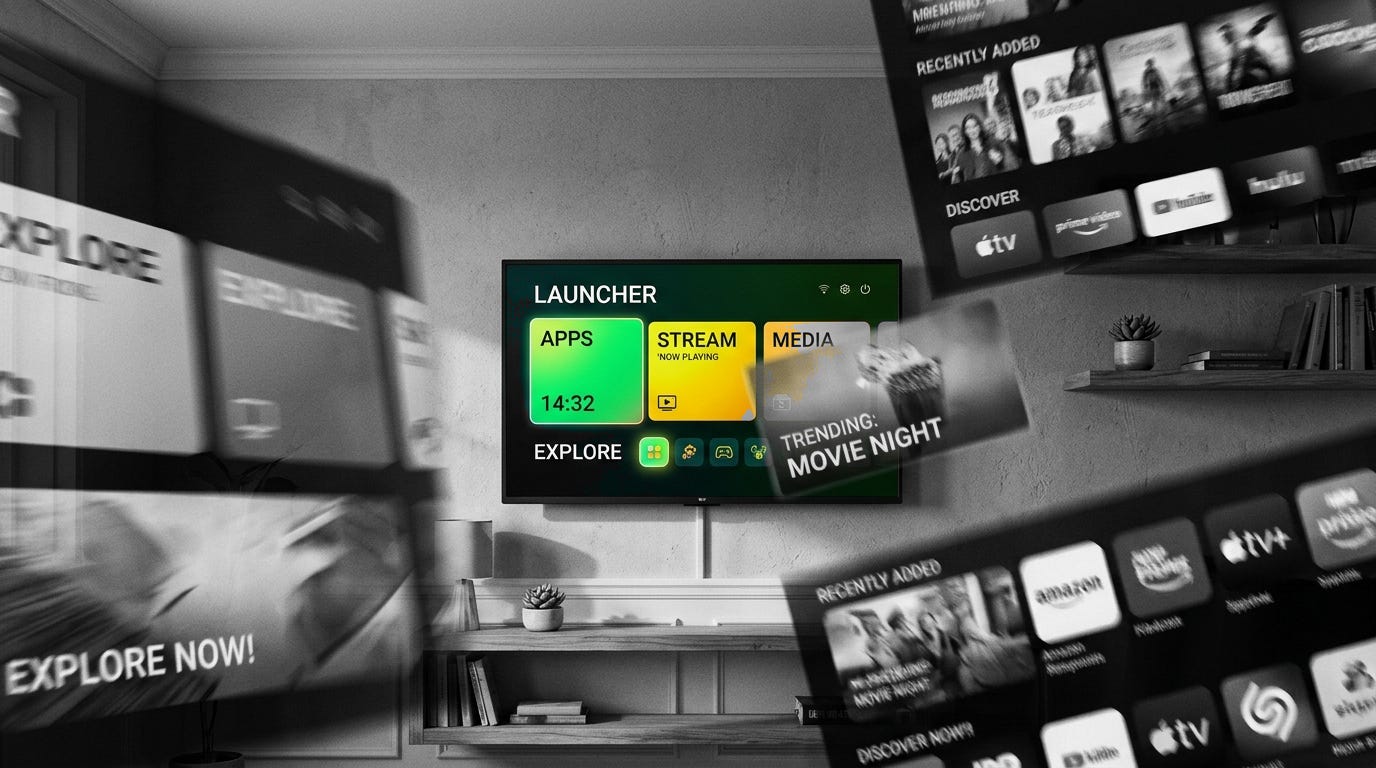
Clean Your TV turns an Android TV or Google TV into something way less annoying over plain Wi-Fi. The pitch is sharp: debloat the telemetry, promo rows, and preloaded junk, then swap in a tiny launcher that gives the whole thing an Apple TV-style home. No root, no cable, no risky uninstall spree, and a one-line restore if the vibe changes. The reason this is exploding right now is simple: the before-and-after is instantly legible, and the repo already ships real-world coverage across 200-plus TV models from dozens of brands. This feels less like a hack and more like a movement.
The Wave: Open Source Consumer Tech Hits a Nerve
The interesting part is how Clean Your TV sneaks past the usual power-user ceiling. This is ADB, package management, and custom launcher work packaged into something normal people can actually attempt in fifteen minutes with a coding assistant. That is catnip for anyone tired of smart TV ad creep, especially privacy-minded households and tinkerers who want consumer hardware to behave. The next move that would make this unstoppable is doubling down on compatibility confidence, with even clearer brand-by-brand expectations and restore flows. Trust is the whole product when the device lives in somebody’s living room.
Stars: 19,330 | Language: Java
DeepInfer: DeepSeek’s Inference Stack Drops Open
github.com/deepseek-ai/DeepInfer | License: Apache-2.0
The Motion: Production Tricks, Finally in Public
DeepInfer is the inference engine behind DeepSeek’s own large-scale services, and that context is exactly why stars are piling up fast. This is not another generic serving repo. It ships the hard stuff people actually care about for high-volume model deployment: DSpark, confidence-scheduled verification, asynchronous scheduling, batch-invariant inference, and structured outputs. The interesting part is that it targets offline inference while exposing the same performance DNA used in production. For teams already circling DeepSeek-V4.1-Flash, this fills the gap between “the model exists” and the model can actually run like a product.
The Wave: Infra People Are Going to Obsess
This has clear breakout energy because it turns DeepSeek’s inference stack from rumor into something operators can study, benchmark, and build around. Anyone touching model serving, GPU efficiency, or structured generation should pay attention, especially teams comparing vLLM-style stacks against tighter model-specific runtimes. Honestly, the hardware support alone makes this feel bigger than a one-model release, with NVIDIA and Ascend both in the picture. The next move that would make this unstoppable is broadening supported models without losing the repo’s performance identity. That would turn DeepInfer from a hot release into a default starting point.
Stars: 17,955 | Language: Python
Aerial Tv: Chinese TVs Deserve Better
github.com/pengchujin/aerial-tv | License: MIT
The Motion: TvOS Energy, Zero Ad Sludge
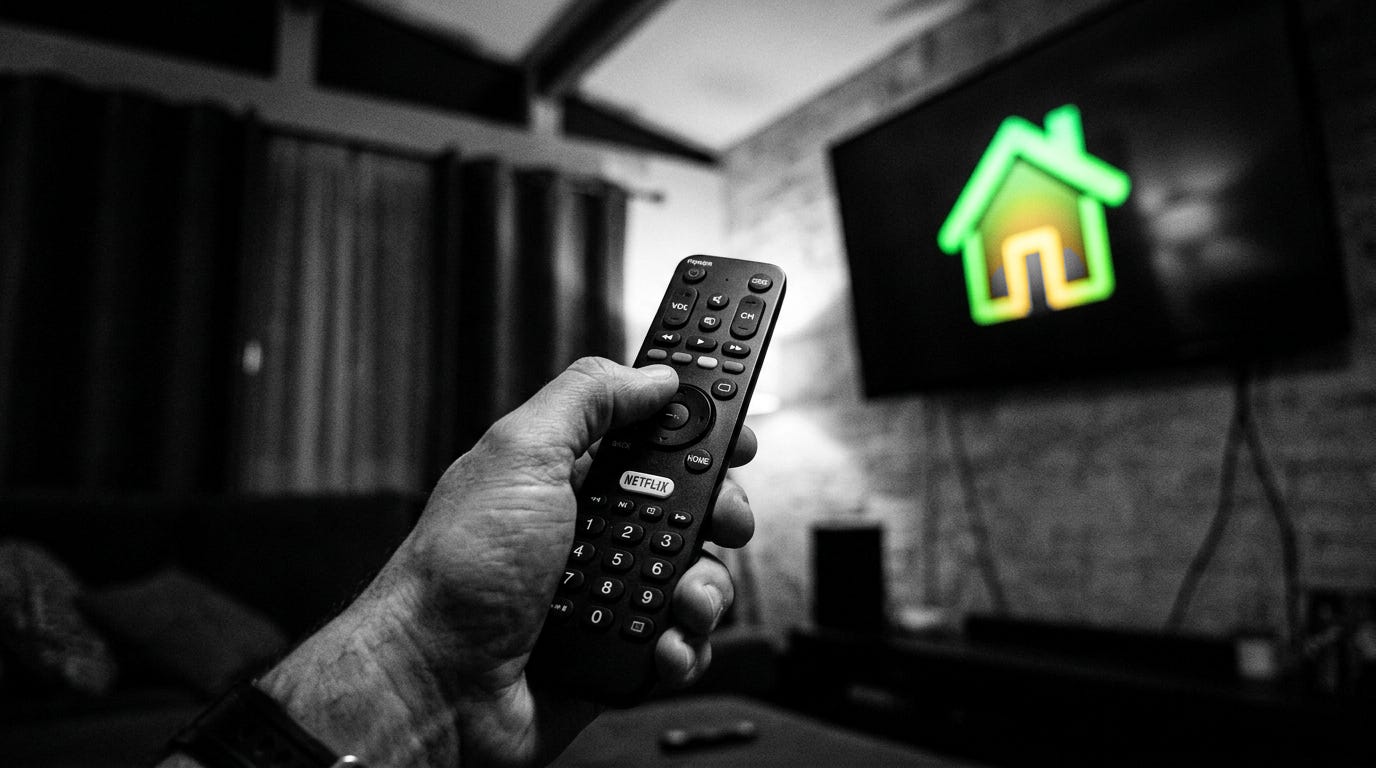
Aerial Tv is an Android TV launcher built for the specific pain of China-market TVs: stock home screens stuffed with ads, recommendations, and vendor lock-in. The pitch is immediately compelling: auto takeover at boot, Apple TV aerial screensavers, and a clean tvOS-style home that shows apps instead of platform spam. The interesting part is that this is not just a pretty skin. It actively handles hostile TV firmware with home guard and revival logic so the launcher stays alive after sleep, reboot, or aggressive background cleanup. That practical reliability is exactly why stars are showing up fast.
The Wave: The Clean TV Rebellion
This has the shape of a breakout consumer open source project because the value prop lands in one screenshot. Xiaomi, TCL, and similar sets are everywhere, and a launcher that feels calm instead of monetized is a very easy sell. Aerial Tv should matter to Android tinkerers, home theater people, and anyone tired of buying hardware only to get software they do not control. What would make this unstoppable is expanding the verified device matrix even faster and turning compatibility into a bragging point. Trust travels through successful installs, especially on weird TV firmware.
Stars: 2,126 | Language: Kotlin
Free My TV: Google TV Deserved Better
github.com/simbasjungles/free-my-tv | License: MIT
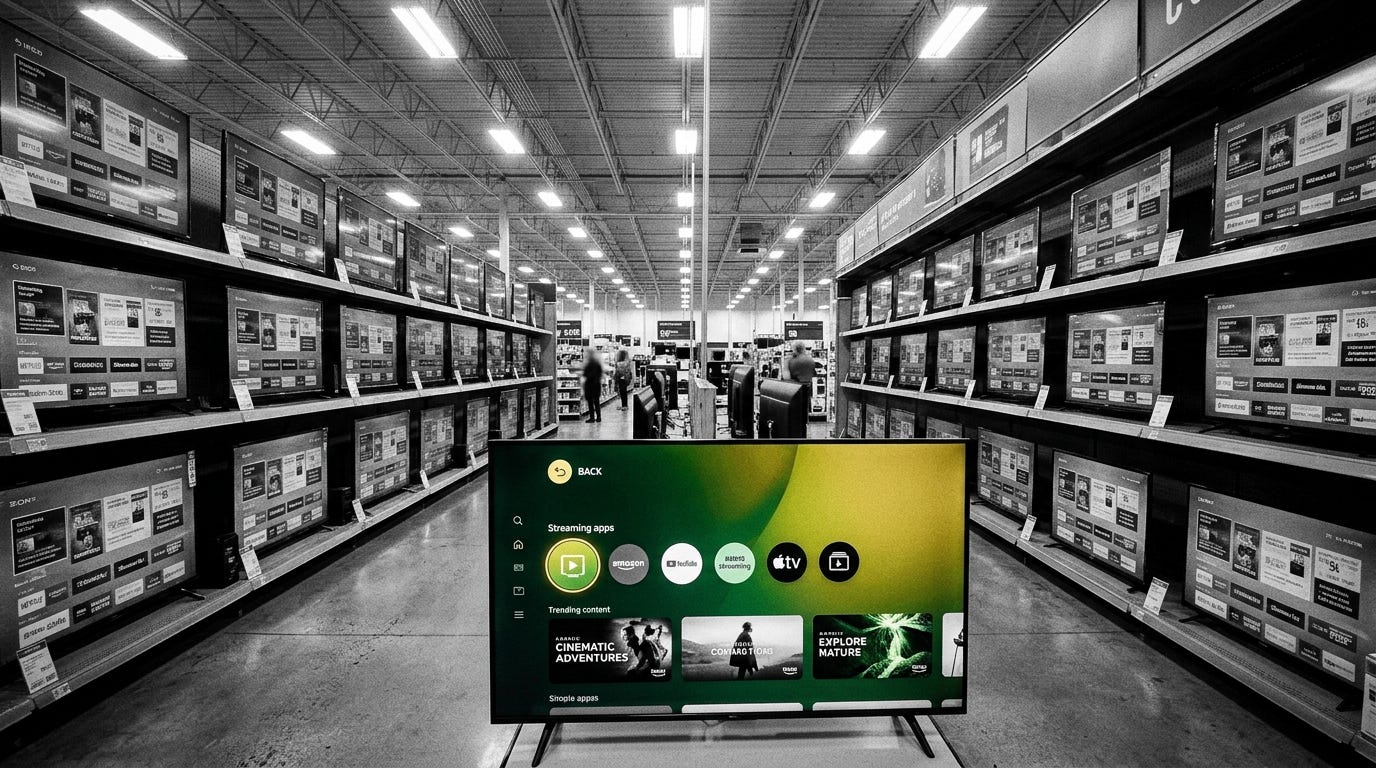
The Motion: Ads Out, Taste In
Free My TV is an extremely online answer to the mess that smart TV home screens became. It swaps in a fast, ad-free launcher for Google TV, plus LG and Samsung builds, without rooting or ripping out the stock setup. The killer detail is one-button undo, which makes this feel way less risky than the usual TV hacking project. It also adds trending picks from apps already installed, sunset-based theming, and a matching screensaver. People are starring it now because everybody hates sponsored TV clutter, and this actually ships a cleaner alternative that looks polished.
The Wave: The Anti-Bloat TV Stack
This has breakout energy because it turns a very common complaint into a real product-shaped fix. Anyone who cares about consumer software taste, TV modding, or reclaiming hardware they already paid for should be paying attention. The cross-platform angle is the interesting part. Google TV is the entry point, but LG and Samsung support makes this feel bigger than a launcher hack. The next move that would make this unstoppable is tightening the install flow even more, especially for less technical users who want the clean home screen without touching build tools or developer menus.
Stars: 2,748 | Language: Java
Mac Native Games: Zelda Goes Native on Apple
github.com/ly05010419/MacNativeGames | License: MIT
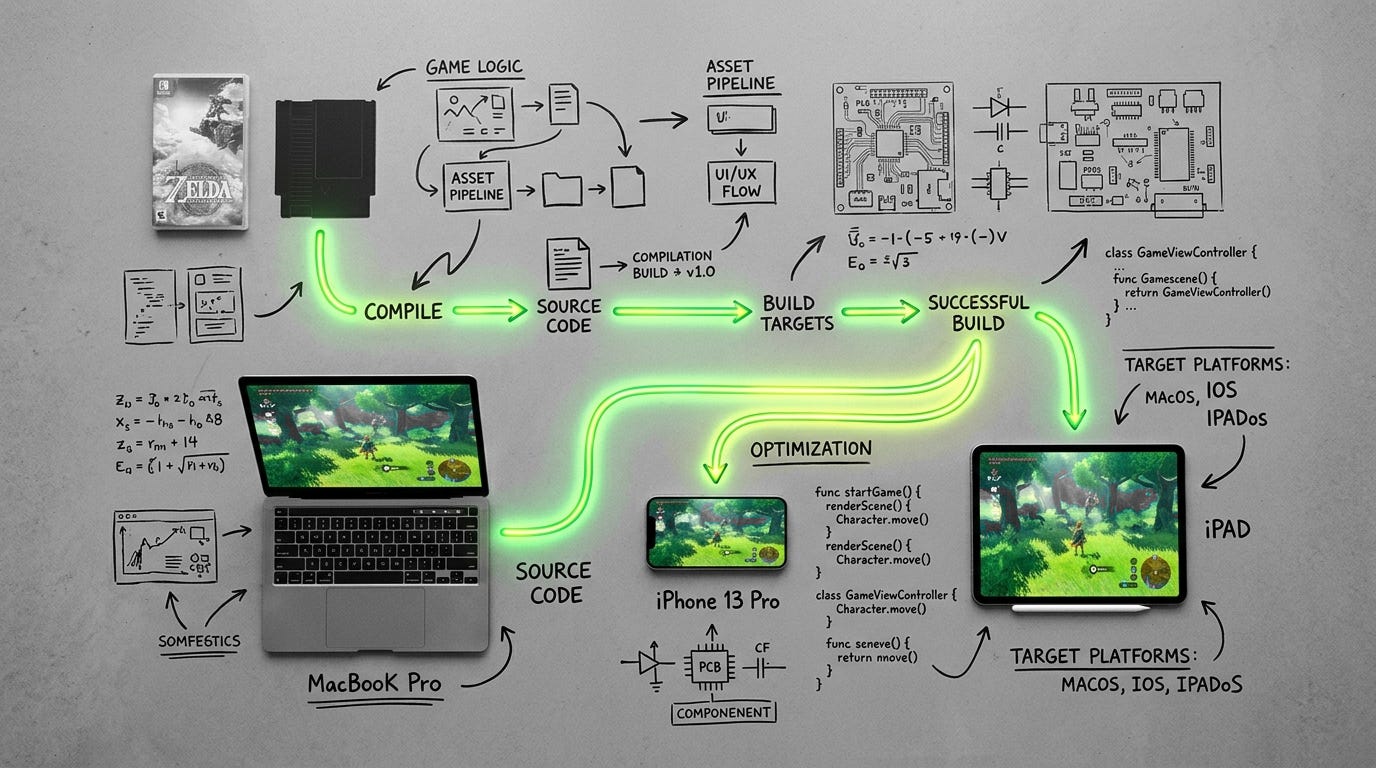
The Motion: Not Emulation, Actual Native Ambition
This repo is blowing up because it does something way more interesting than another compatibility layer. Mac Native Games runs supported Zelda builds directly on Apple silicon, then rebuilds Switch graphics through Metal and answers system calls with a lightweight host layer. That means Mac, iPhone, and iPad support without shipping any game assets, as long as players own the game and build it themselves. The traction makes sense. Support for multiple Tears of the Kingdom versions, fresh Breath of the Wild support, and a surprisingly polished one-script build flow turned a wild technical flex into something people can actually try.
The Wave: Apple Gaming Gets a Weird Shortcut
The interesting part is where this could go next. If shared shader list contributions keep compounding, this starts looking less like a one-off port and more like a community performance engine for native console-to-Apple translation. That kind of momentum spreads fast. Reverse engineers, graphics hackers, preservation people, and every Apple gamer tired of waiting for official ports should be paying attention. The next move that would make this unstoppable is clearer compatibility tracking across devices, game versions, and performance profiles. Trust scales when people know exactly what will work before they build.
Stars: 3,889 | Language: C