


Ts Rust: Type Checking Hits Rust
github.com/pingdotgg/ts-rust | License: MIT

The Motion: A Wild Port That Actually Lands
This is an experimental Rust port of the TypeScript 7 compiler, checker, and language server, and the interesting part is that it is not chasing “inspired by” compatibility. It is chasing drop-in replacement status. Ts Rust keeps the same CLI and behavior, passes 181,711 ported Go tests, and already matches upstream diagnostics on real projects like Hono and TanStack Query. It is gaining stars now because the benchmarks are way too loud to ignore: roughly half the speed of TypeScript’s Go compiler on 60 projects, with Effect diagnostics built directly into the same check.
The Wave: Compiler Infra Is Getting Weird
Ts Rust feels like one of those repos that starts as a meme and then quietly becomes infrastructure. Anyone building large TypeScript apps, editor tooling, CI pipelines, or WASM-native dev tools should be watching this closely. The speed story is real, but the bigger bet is a Rust port of the compiler stack that can travel farther than the current native path. Honestly, that matters. The next move that would make this unstoppable is broader platform support, especially Windows and Linux ARM64, because once this becomes frictionless to try, adoption could jump fast.
Stars: 424 | Language: Rust
Huashu Art Motion: Make Paintings Actually Move
github.com/alchaincyf/huashu-art-motion | License: MIT

The Motion: Code-First Animation With Style Brains
This repo turns coded animation into a serious art-direction system. Huashu Art Motion ships 35 art-style recipes, 9 explainer grammars, 8 parameterized clips, and a full engine for making scenes that look like Monet, Van Gogh, Bauhaus, 8-bit, or cave paintings, then actually animating them instead of faking it with static transitions. The interesting part is the stack around it: breakdown scripts to measure cuts and motion from reference videos, long-scroll skeletons for character journeys across styles, and QA checks for smoothness and stability. That combo is exactly why stars are showing up fast right now.
The Wave: Animation Skills for the Agent Era
This feels bigger than a style pack. Huashu Art Motion is really a toolkit for coding agents that need taste, timing, and reusable visual grammar. That makes it catnip for AI builders, creative coders, explainer-video teams, and anyone trying to turn prompts into something that looks intentional. The repo already has the rare part nailed, which is actual motion language instead of pretty stills. The next move that would make this unstoppable is stronger onboarding in English, because the engine is clearly powerful enough to travel far beyond its current audience once more builders can plug in fast.
Stars: 1,588 | Language: JavaScript
Sales Crm: Boilerplate With Surprisingly Sharp Taste
github.com/kargulstudio/sales-crm | License: MIT
The Motion: Startup Front End in a Box
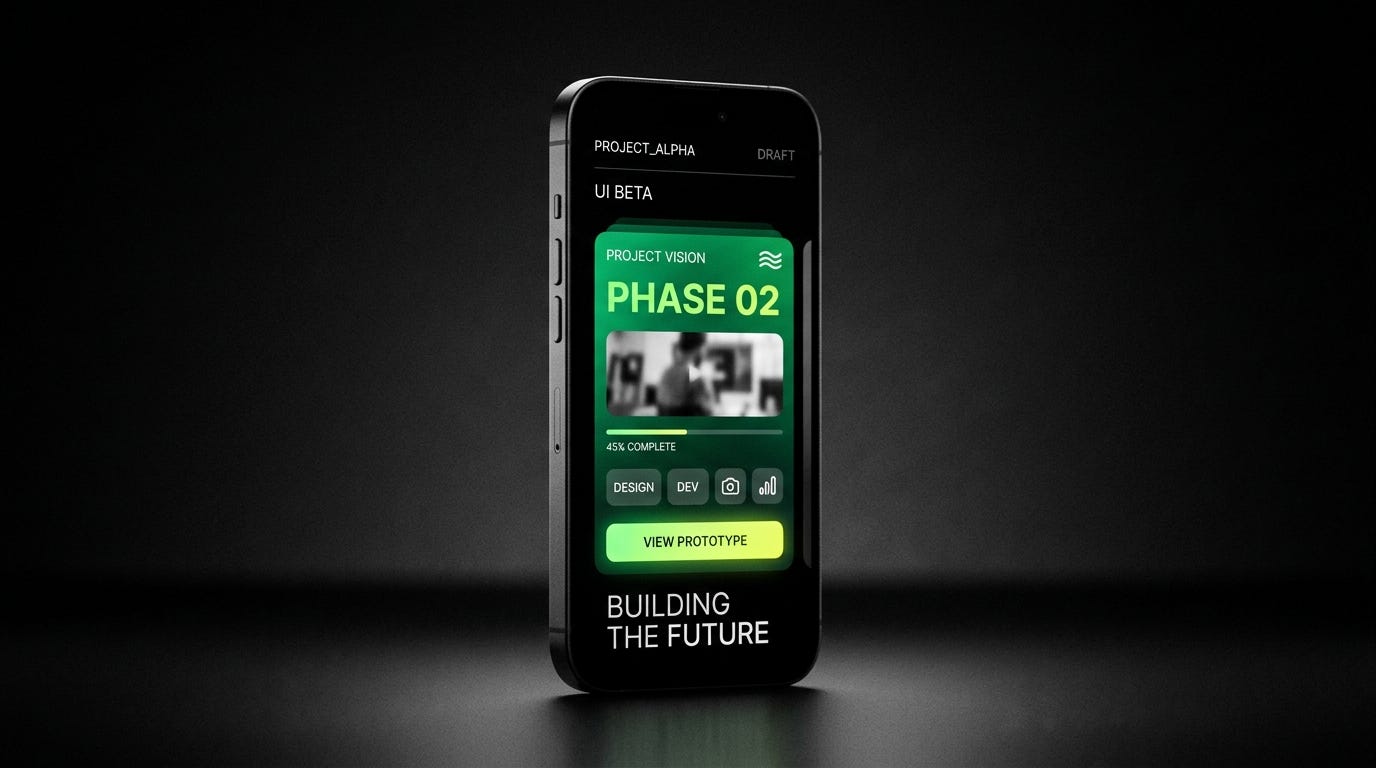
This repo is less “sales CRM” and more a very opinionated high-end app starter for people shipping polished Next.js products fast. The draw is the combo of CONVENTIONS.md, Next.js 16, React 19, and a bunch of built-in media tooling around AVIF, Rive, Lottie, and SEO defaults. That’s why stars are showing up now. It solves the annoying gap between generic boilerplates and actual production standards. Honestly, this feels like a starter that assumes design quality, performance, and content polish should be present on day one.
The Wave: Built for Teams That Care
This could become the default grab for studios, founders, and indie teams that want their app to look expensive before the feature count catches up. The interesting part is the hidden depth in the repo’s structure. There are baked-in agent skills for accessibility, typography, layout, writing, and Supabase practice, which makes the whole thing feel weirdly ready for human-plus-AI workflows. The next move that would make this unstoppable is clearer positioning. If Sales Crm fully owned the “premium product starter” lane with examples and screenshots, traction could jump from curious stars to committed adoption fast.
Stars: 1,635 | Language: TypeScript
Tendedero: Screenshot Clutter, Deleted
github.com/alejandrobujan/tendedero | License: Other

The Motion: Mac Screenshot UX, Finally Fixed
Tendedero takes one of the dumbest little macOS annoyances and turns it into something weirdly elegant. Instead of dumping screenshots onto the Desktop or making them float around like temporary guilt, it hangs them on a line at the top of the screen. The hook is the interaction model: click to copy, press and hold for Markup, drag to share, drag to a folder to keep. It also takes over screenshot settings so captures skip the Desktop entirely. That’s why stars are showing up now. This feels like a tiny utility, but it solves a real daily paper cut with actual taste.
The Wave: Tiny Utility, Big Mac Energy
This has the exact kind of polish that makes Mac people post a demo instantly. The interesting part is that Tendedero is not trying to become a full screenshot suite. It stays narrow, fast, and ridiculously legible. Designers, indie hackers, support folks, and anyone living in Cmd+Shift+4 should care. There’s real breakout potential here because the behavior is memorable and the app is only 1.7 MB. The next move is simple: make the handoff story even stronger with a few more destination integrations and customization options, while keeping the private by design local-first feel untouched.
Stars: 489 | Language: Swift
Pt Pc: P.T. Refuses to Stay Dead
github.com/LoreanXavier/pt-pc | License: Other

The Motion: A Preservation Project With Teeth
This is a native PC port of P.T. that reads assets from your own PS4 copy, which is exactly why people are starring it right now. It is not emulation cosplay. The game logic was rebuilt in C++, the renderer runs on Vulkan, and the extras go way beyond bare-minimum preservation. Photo mode, Loop browser, Museum, Game+, speedrun timer, experimental VR, and Lua-based mods make this feel less like a rescue mission and more like the definitive fan version. Honestly, the mix of preservation ethics and absurdly serious PC features is the magnet.
The Wave: Horror Modding’s Sleeper Hit
The interesting part is where this goes after the novelty spike. Horror preservation people will care, obviously, but so will PC tinkerers, speedrunners, graphics obsessives, and anyone who wants a case study in respectful reverse engineering. The project already nails the vibe of use your own game data while still shipping modern upgrades like DLSS, FSR, XeSS, and ray-traced options. What would make this unstoppable is a bigger push on the modding layer and showcase content around it. Once players start trading custom loops, visual tweaks, and weird experiments, this could turn from preservation win into real scene.
Stars: 426 | Language: C++