

The Fetch: Week 29, 2026
Better AI vibes, local Mac models, agent sandboxes, storyboard cartoons, and sharp-edged prediction market automation

Thinking Orbs: Loading States With Taste
github.com/Jakubantalik/thinking-orbs | License: MIT
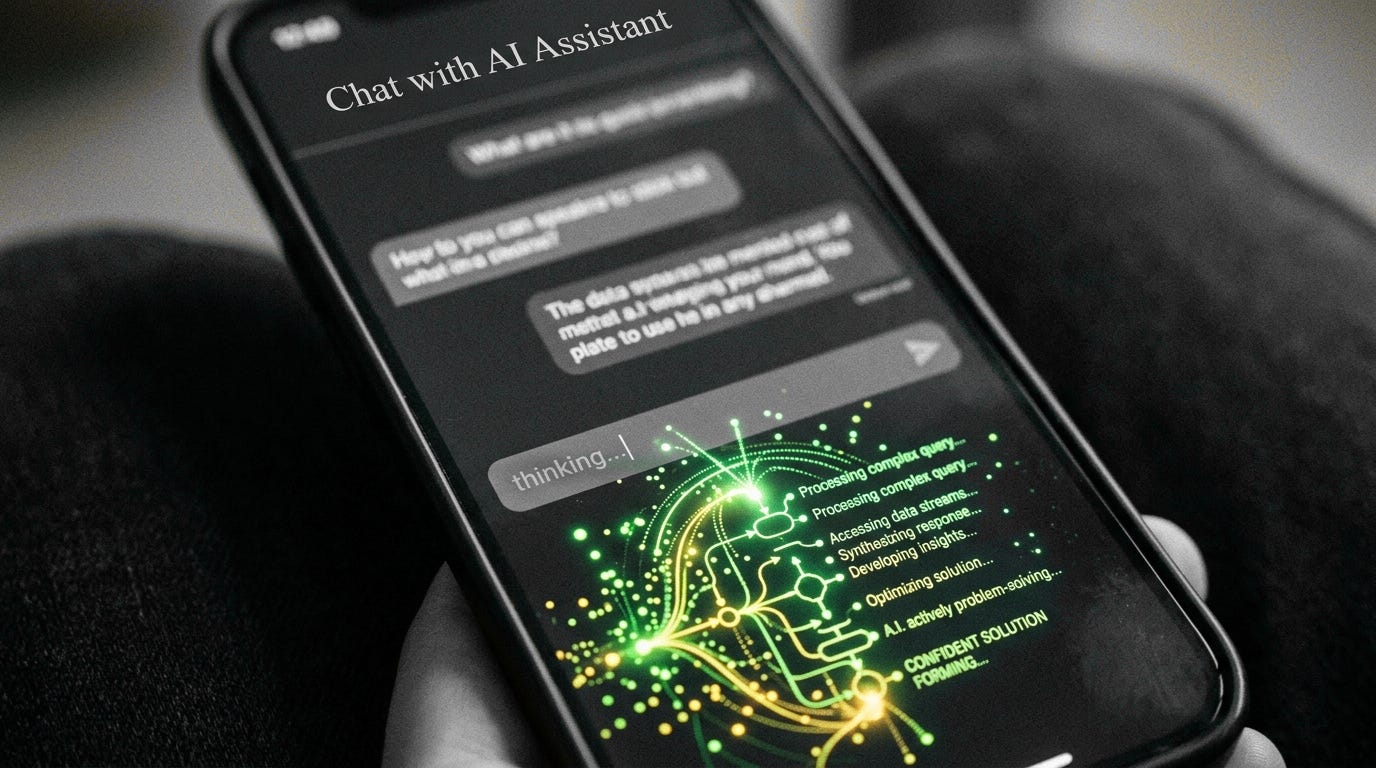
The Motion: AI UIs Finally Get Better Idle
AI products keep shipping the same boring spinner, which is wild when the waiting state is half the experience. Thinking Orbs fixes that with six hand-tuned animated states like searching, solving, and composing, built specifically for agent interfaces. The interesting part is how polished this feels without getting heavy. It runs on plain 2D canvas, skips WebGL entirely, and still stays consistent across Chrome, Safari, and Firefox. People are starring it now because every AI app suddenly wants better status feedback, and this is a tiny drop-in with real taste.
The Wave: Tiny Component, Big Interface Signal
This has a real shot at becoming one of those default UI pieces that quietly spreads through AI products fast. Teams building chat apps, copilots, research agents, and workflow tools should pay attention, especially if they want interfaces that feel more alive without adding visual noise. The auto dark/light behavior, two purpose-tuned sizes, and motion-aware performance touches make this feel production-minded, not just pretty. What would make this unstoppable is a broader component ecosystem around the core orb, with presets and usage patterns for common agent states so adoption gets even easier.
Stars: 545 | Language: TypeScript
Harness Engineering: Agents Need Better Environments
github.com/lopopolo/harness-engineering | License: CC-BY-4.0
The Motion: Context Packs for Serious Agent Work
This repo turns “make the model smarter” into “make the environment sharper,” and that shift is landing hard right now. Harness Engineering is an anthology plus operating manual for improving agent output through context, tools, proof, and playbooks, while treating the model itself like a fixed worker. The big gap it fills is everything teams keep discovering the hard way: prompts are not enough when an agent needs local rules, authority boundaries, quality bars, and real-world evidence. Stars are coming in because this feels like the missing doctrine behind reliable coding agents.
The Wave: From Prompt Craft to Org Memory
The interesting part is where Harness Engineering goes next. This is not just reading material for AI tinkerers. It is a blueprint for teams that want agent work to become cumulative instead of endlessly fragile. Expect engineering leaders, platform teams, and anyone building internal agent workflows to keep passing this around as shared vocabulary. What would make this unstoppable is tighter packaging for adoption: clearer starter kits, example harnesses for different org types, and more copy-pasteable AGENTS.md patterns. That would turn a strong thesis into the default operating layer for agent-native software work.
Stars: 2,168 | Language: Python
Story To Handdrawn Video: Storyboards Turn Into Diary Cartoons
github.com/gnipbao/story-to-handdrawn-video | License: MIT

The Motion: Silent Comics, Rendered on Demand
This repo turns Chinese story text or ordered drawings into a vertical hand-drawn diary animation that already feels ready for TikTok, Reels, or short-form voiceover work. The interesting part is the combo of a Remotion renderer with a distributable agent skill, so the whole flow runs through natural language instead of a pile of manual scripts. It handles sentence splitting, storyboard pacing, text → black-and-white → color reveals, safe framing, and optional page-curl transitions. Honestly, that “silent picture track first” workflow is exactly why people are starring it now.
The Wave: A Tiny Pipeline With Creator Energy
This feels bigger than a cute animation template. It is really a lightweight production system for comic-style storytelling, especially for Chinese creators who want fast visual drafts without giving up pacing or composition control. That’s the hook. The upload-your-own-pages mode also matters because it lets artists animate existing work instead of regenerating everything from scratch. The next move that would make this unstoppable is tighter showcase output: more example videos, more style presets, and clearer before-and-after demos. Early creative tools win on proof, and Story To Handdrawn Video already has the workflow.
Stars: 388 | Language: JavaScript
Nativ: Mac AI, Properly Productized
github.com/Blaizzy/nativ | License: MIT
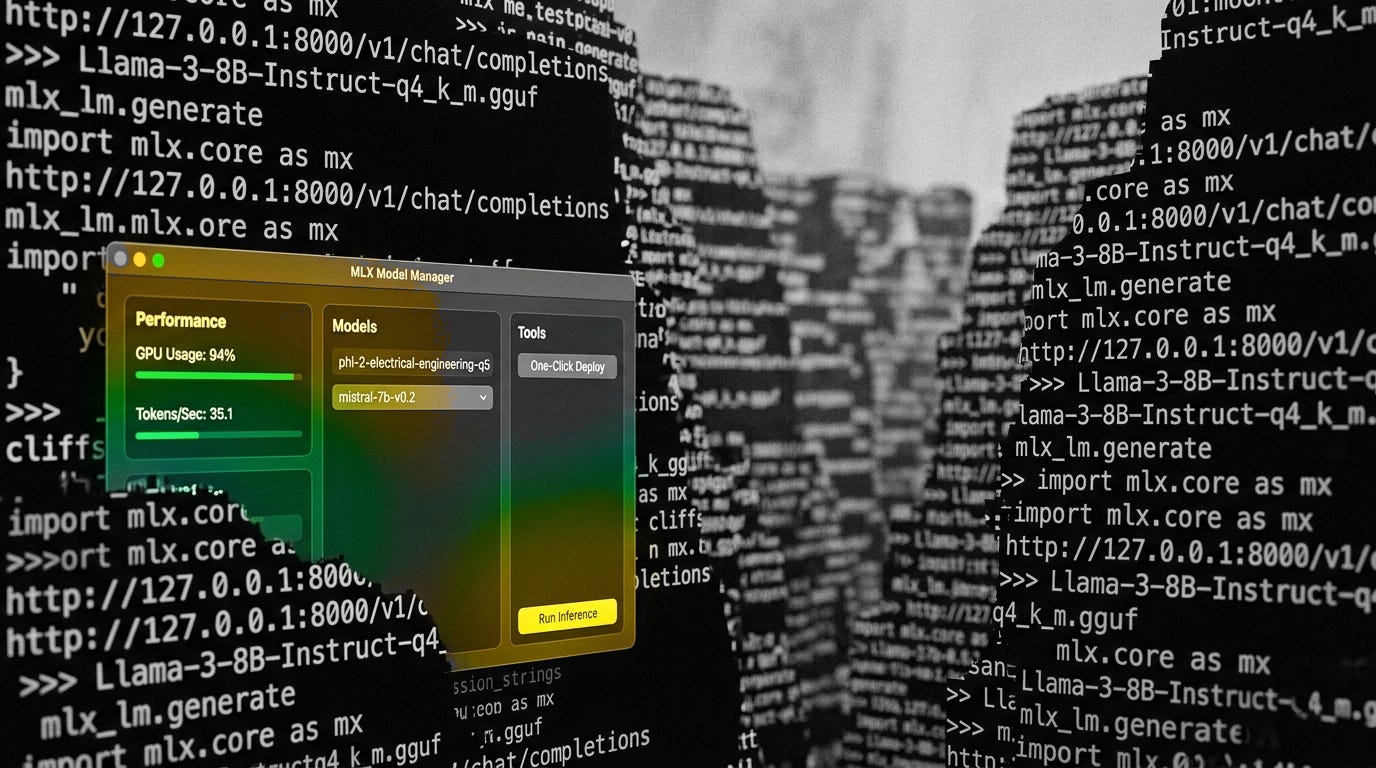
The Motion: MLX Gets Its Missing Desktop
Nativ turns local MLX models into an actual macOS product, not a pile of scripts and terminal tabs. The big draw is the all-in-one setup: local chat and vision, model library, performance analytics, and OpenAI-compatible local APIs inside one polished Swift app. It also hooks into coding tools like Claude Code and Codex, which is exactly why stars are showing up fast. Honestly, this hits a real gap. Local AI on Apple silicon has been technically possible for a while, but still weirdly fragmented. Nativ makes it feel normal.
The Wave: The Localhost AI Hub
This has real potential to become the default control center for anyone running models on a Mac. The interesting part is that Nativ is not just a chat app. It is also a dashboard, a model switcher, a localhost server, and a bridge to the tools people already use. That combo gives it serious pull with developers, researchers, and privacy-first power users. The next move is making integrations and onboarding absurdly smooth, because that is what would make this unstoppable. If connecting external tools feels one-click easy, Nativ stops being a nice wrapper and starts becoming the local AI home screen.
Stars: 742 | Language: Swift
Adelan Support: Polymarket Sniping, Actually Productized
github.com/AdelanSupport/adelan-support | License: MIT

The Motion: Endgame Trades With Guardrails
This is a Python bot for hunting Polymarket markets right before resolution, where heavily favored outcomes still trade below payout. The hook is the endcycle sniper strategy, but the interesting part is everything wrapped around it: dry-run mode by default, risk management with position caps and cooldowns, SQLite audit logs, and a proper CLI for scanning, running, and backtesting. That combo is why stars are showing up fast. Plenty of trading repos pitch alpha. Fewer ship something that feels operable on day one and honest about the risk profile.
The Wave: Niche Strategy, Serious Tooling
This has obvious pull for prediction market traders, but it should also catch the eye of anyone building small, sharp automation around real-money systems. Honestly, the repo reads less like a weekend bot and more like a compact trading stack with opinions. If Polymarket keeps pulling in power users, tools like Adelan Support get discovered quickly because they turn a messy manual tactic into a repeatable workflow. The next move that would make this unstoppable is richer proof around performance, especially clearer historical reporting beyond proxy backtests. Early infra with receipts is usually what turns curiosity into conviction.
Stars: 275 | Language: Python