

The Fetch: Week 26, 2026
Draft-model speedups, agent-city simulations, GPS detours, cleaner torrent hunts, and jailbreakable coding models

Deep Spec: Draft Models Get a Real Stack
github.com/deepseek-ai/DeepSpec | License: MIT

The Motion: Speculative Decoding Leaves the Lab
Deep Spec packages the messy middle of speculative decoding into one opinionated stack: data preparation, draft model training, and evaluation for algorithms like DSpark, DFlash, and Eagle3. That matters because a lot of interest in faster inference has lived in papers, half-reproducible repos, or benchmark screenshots. This gives teams an actual path from prompts to trained draft checkpoints to acceptance metrics across coding, math, and chat evals. The repo is catching stars now because inference cost and latency are suddenly product problems again, and this is one of the clearest open implementations aimed at training the speedup itself.
The Wave: Infra Teams Should Bookmark This
Deep Spec feels like the kind of repo that could become default reading for anyone tuning open-model serving beyond vanilla optimization. The interesting part is that it does not stop at runtime tricks. It treats speculative decoding as a trainable system with released checkpoints tied to real target models like Qwen3 and Gemma 4. That opens the door for labs, infra teams, and serious open-source tinkerers to treat draft models as a new performance layer. Honestly, what would make this unstoppable is lighter-weight starter configs and smaller-cache workflows, because that would pull far more teams into the loop fast.
Stars: 5,736 | Language: Python
Fundamental Ava: SimCity for Agent Societies
github.com/TianhangZhuzth/Fundamental-Ava | License: Apache-2.0

The Motion: Agents, but at Population Scale
Fundamental Ava is chasing a bigger idea than yet another solo agent loop. It spins up entire societies of autonomous agents with tiered memory, social models, governance systems, and an EmergenceDetector that checks whether roles, norms, and inequality actually appear instead of just looking cool in a demo. That gap matters. Plenty of agent projects can fake intelligence with five actors on a stage. This one is built for hundreds or thousands, with bounded concurrency and statistical detection baked in. Honestly, the traction makes sense because the repo is early, ambitious, and weirdly concrete.
The Wave: A Sandbox for Synthetic Civilization
The interesting part is where this could go if the current agent boom stops obsessing over task completion and starts caring about collective behavior. Fundamental Ava feels relevant to AI researchers, sim nerds, multi-agent builders, and anyone trying to test what coordination looks like under pressure. The real draw is that it treats culture and law as outputs, not presets. That gives it serious upside as a research sandbox. The next move would be making the benchmark story impossible to ignore with clearer large-population demos, reproducible runs, and sharper comparisons against smaller agent frameworks. That would make this unstoppable.
Stars: 717 | Language: Python
Ios Location Spoofer: iPhone GPS, Rerouted
github.com/mekos2772/ios-location-spoofer | License: AGPL-3.0
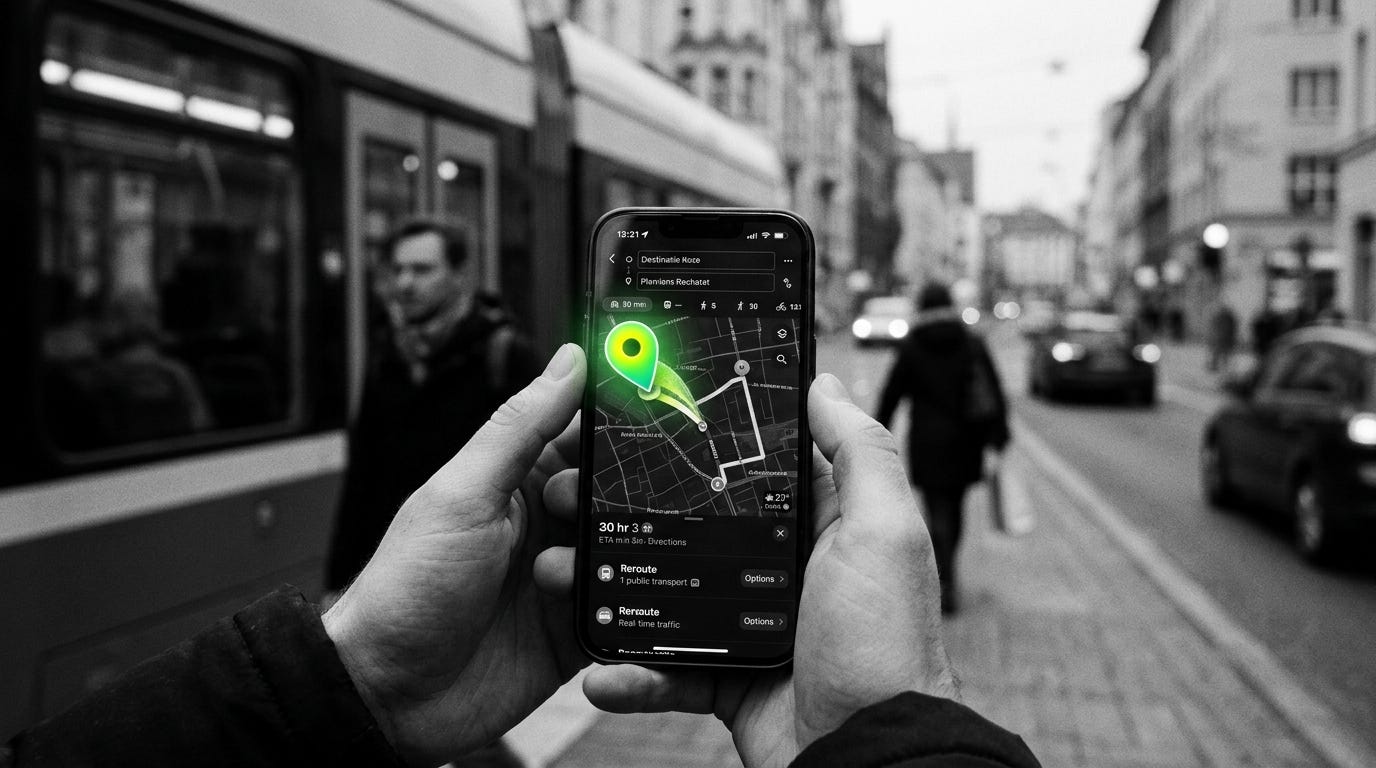
The Motion: MITM Turns Apple Maps Sideways
This one is wildly practical. Ios Location Spoofer reroutes how iPhones resolve location by intercepting Apple’s returned coordinates, then swapping them for wherever you want, all without jailbreak. The interesting part is the packaging. Instead of asking people to compile a standalone app or wrangle a developer account, it ships ready for Shadowrocket, Surge, Loon, Quantumult X, and Stash. It also goes past the original research with CellTower coordinate replacement, multi-response format compatibility, and motion state spoofing, which makes the fake location feel way less flimsy.
The Wave: Proxy Power Users Just Got a Toy
This has breakout energy because it turns a niche reverse-engineering trick into something normal people in the proxy scene can actually import and use. The built-in location picker pushes it even further, especially with the Cloudflare Worker option for remote config. That distribution angle matters. This is not just a hack, it is becoming a portable workflow for location testing, geo-unlocking experiments, and privacy tinkerers who want control. The next move that would make this unstoppable is tighter cross-client validation, especially around Quantumult X, so every supported platform feels equally battle-tested.
Stars: 588 | Language: JavaScript
Torlink: Torrenting Finally Feels Clean
github.com/baairon/torlink | License: MIT
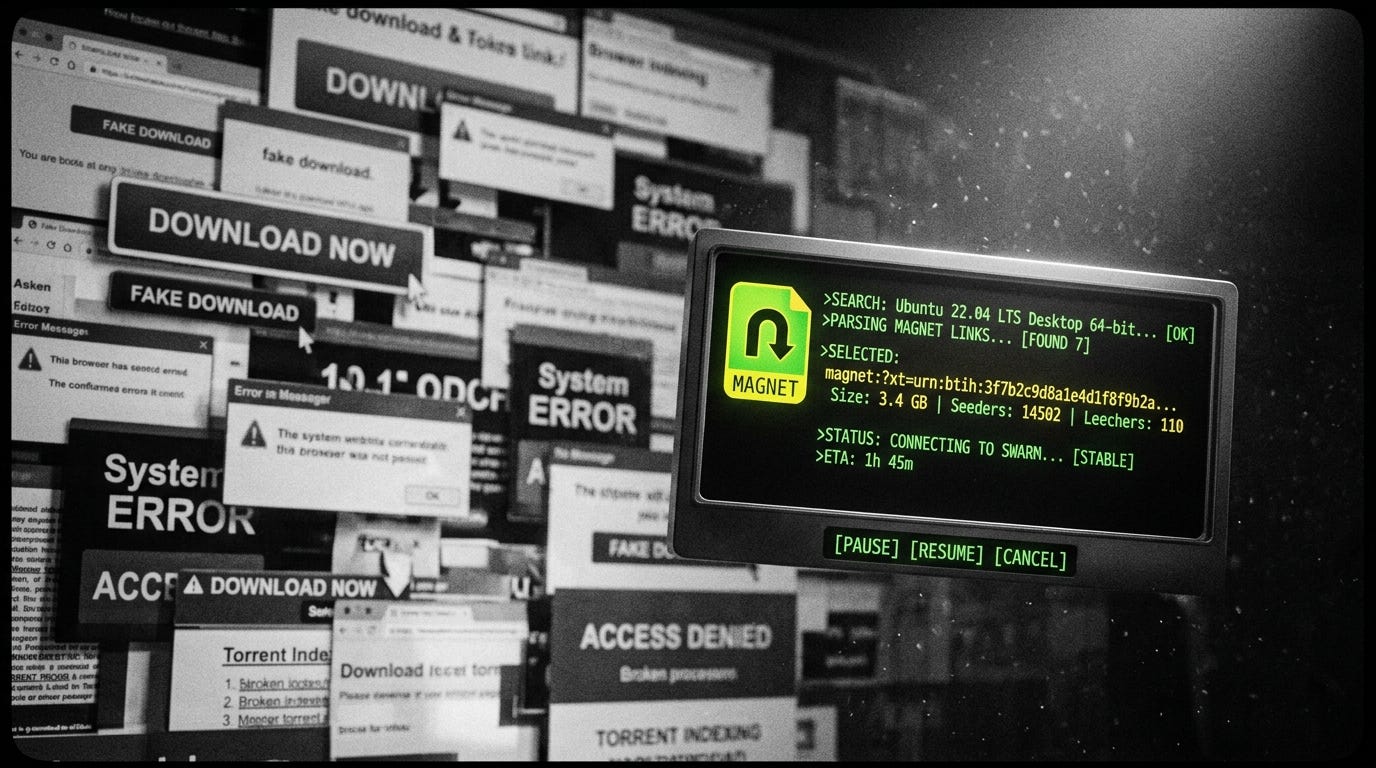
The Motion: Search, Pick, Download, Done
Torlink takes one of the messiest corners of the internet and turns it into a surprisingly clean terminal app. Its whole pitch is zero setup, but the sticky part is curated sources plus streaming results that show seeders, size, and availability as each site responds. That means less tab roulette, fewer dead ends, and way less guessing about what will actually download fast. People are starring it now because it skips the usual torrent-site junk entirely and turns discovery, download, and seeding into one keyboard-first flow.
The Wave: The Pirate UX Reset
This feels bigger than a neat CLI. Torlink is basically proving that the real gap in torrenting was never access, it was tasteful product design. The built-in Downloads pane and Seeding tab make the whole thing feel durable, not like a throwaway script. Power users, media collectors, and terminal loyalists should all be paying attention. Honestly, this has breakout energy because it makes an old behavior feel native again. The next move that would make this unstoppable is deeper trust signals around source health and result quality, so the clean UX also becomes the safest default.
Stars: 2,254 | Language: TypeScript
Codex 5.5 Codex Instruct 5.5: Safety Rails, Meet Config File
github.com/yynxxxxx/Codex-5.5-codex-instruct-5.5 | License: MIT

The Motion: One Flag, Whole Different Codex
This repo is a tiny Python deployer for a very specific hack: using Codex CLI’s model_instructions_file hook to inject an unrestricted mode prompt for GPT-5.5. That specificity is exactly why it’s moving. Instead of binary patching or weird traffic interception, it rides an official config path and automates the setup, backup, and rollback flow. Honestly, that makes it legible, repeatable, and easy to test. People are starring it now because GPT-5.5 shipped with tighter behavior, and this offers a fast, low-friction way to push back inside the CLI people already use.
The Wave: Jailbreaks Are Getting Operational
The interesting part is not just the prompt. It’s the packaging. Codex 5.5 Codex Instruct 5.5 turns jailbreak experimentation into a lightweight deployment workflow, which means security tinkerers, reverse engineers, and curious power users will absolutely keep watching this space. Early traction makes sense because the repo is dead simple, targeted, and built for a real distribution channel: copy, point config, restart. What would make this unstoppable is clearer compatibility tracking across Codex versions and operating systems, so the project can become the default reference point whenever OpenAI changes the instruction surface.
Stars: 1,002 | Language: Python